5 Signs Your Skin Needs Professional-Grade Light Therapy
From stubborn adult acne to persistent dark spots, these warning signals tell you drugstore products will not cut it and it is time for clinical-grade intervention.
Your skin sends clear signals when it has reached the limits of what over-the-counter products can achieve. Recognizing these signs early saves months of frustration and prevents the worsening of conditions that could have been addressed more simply.
1. Hormonal acne that keeps coming back: If breakouts return with your cycle or during stressful periods despite consistent cleansing and benzoyl peroxide use, your skin needs the antibacterial power of blue light to address the underlying bacterial load that topicals cannot fully control.
2. Post-inflammatory hyperpigmentation lasting months: Those dark spots left behind after pimples heal are not just cosmetic concerns. They signal ongoing melanin overproduction that needs light therapy combined with red light anti-inflammatory effects to calm and normalize pigment production.
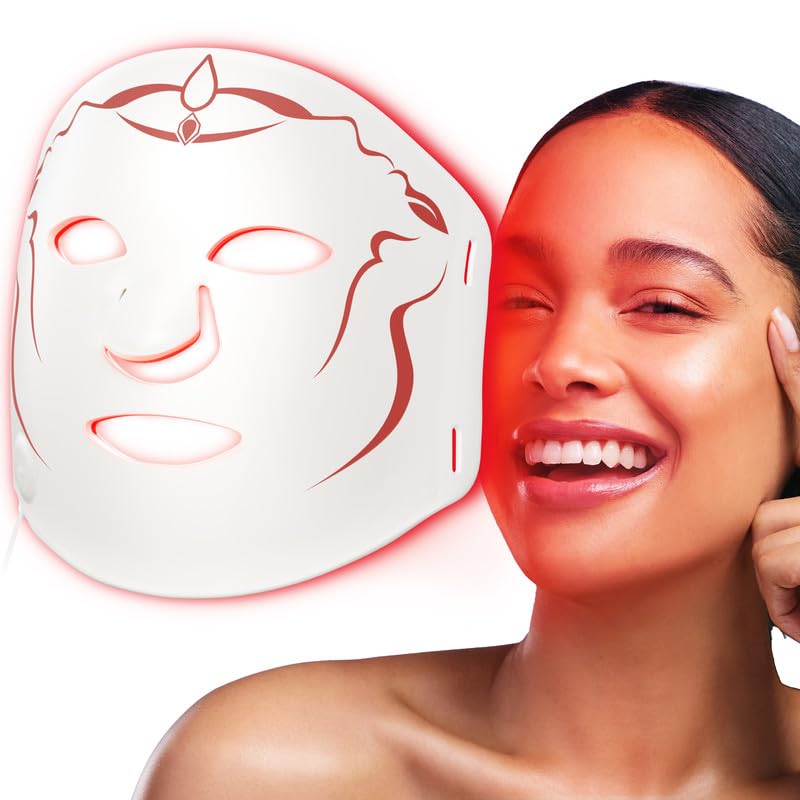
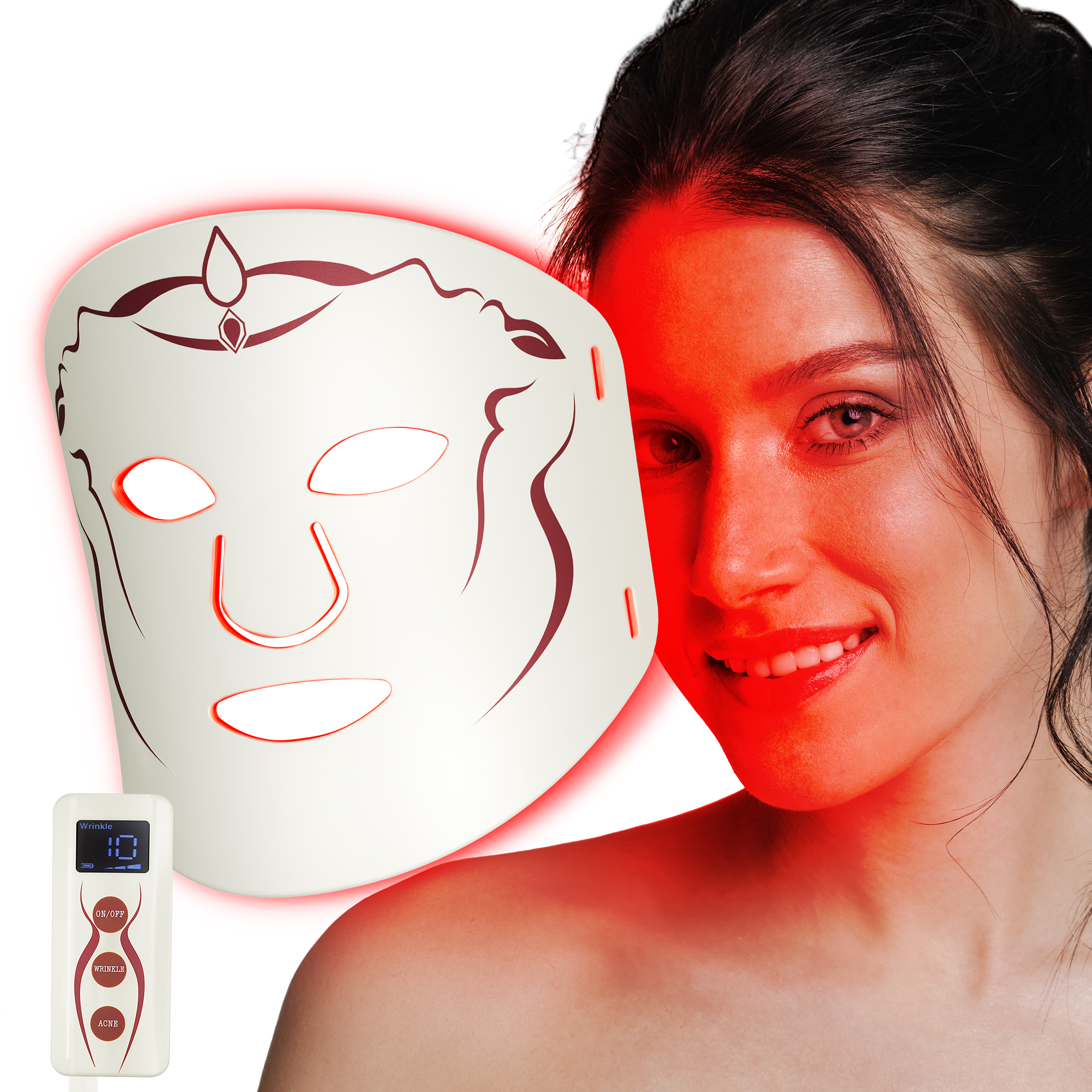
3. Collagen loss visible in your 30s: By your mid-30s, natural collagen production has declined by about 1% per year. If you are noticing deeper nasolabial folds, thinner skin on your cheeks, or crepe-like texture, professional-grade red light is one of the few at-home interventions proven to reverse this decline.
4. Sensitivity that limits your product choices: When your skin reacts to everything from vitamin C to retinol, it is often chronically inflamed. Red light therapy has a documented anti-inflammatory effect that calms this reactivity, often allowing people to reintroduce active ingredients they had to abandon.
5. Dull, uneven tone with no clear cause: If your skin looks tired and uneven despite sleeping 8 hours and drinking water, cellular turnover has likely slowed. Red light accelerates this process, bringing fresh, properly hydrated cells to the surface for that luminous glow you remember from your early 20s.