Red Light vs Blue Light: Which Wavelength Is Right for You?
Understanding the difference between red and blue light therapy is the first step to building an effective at-home skincare routine. Here is exactly what each one does.
LED light therapy has become the most scientifically validated at-home skincare technology available, but not all wavelengths work the same way. Understanding the distinct mechanisms of red and blue light helps you choose the right approach for your specific skin concerns.
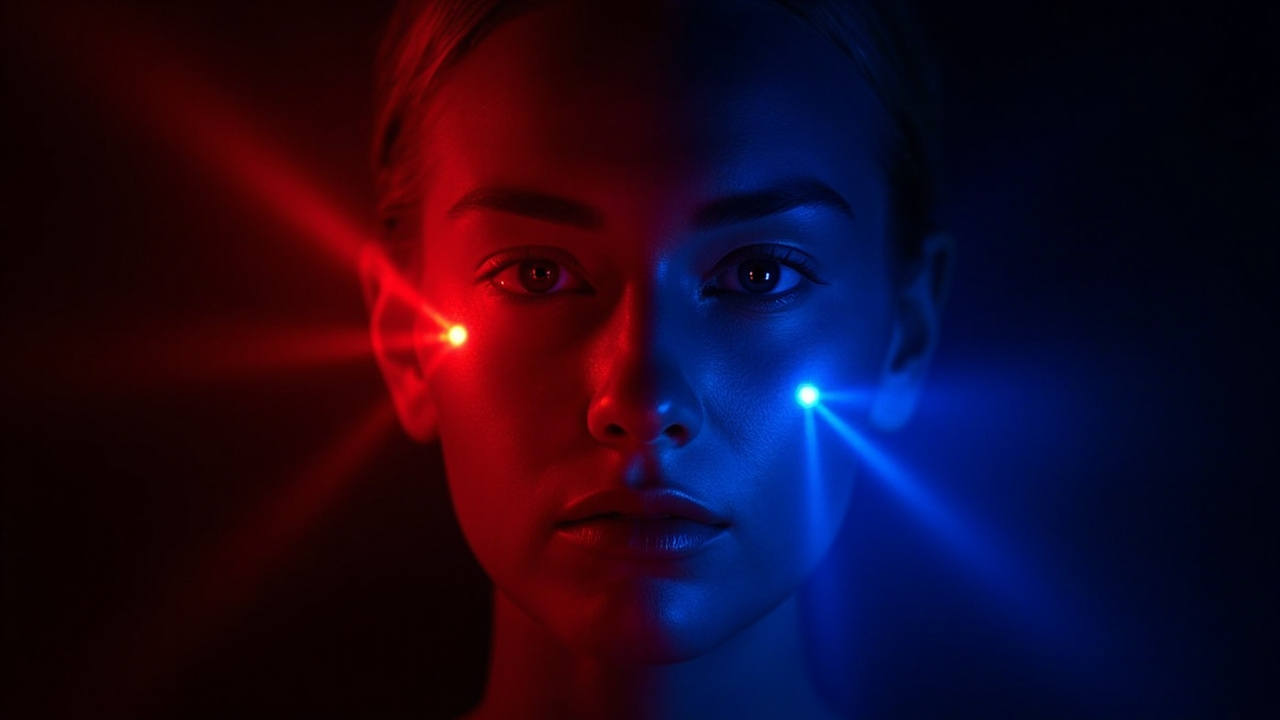
Blue light (405-420nm) operates primarily in the antibacterial spectrum. When photons at this wavelength are absorbed by porphyrins in C. acnes bacteria, they generate reactive oxygen species that rupture the bacterial cell walls. This makes blue light exceptionally effective for inflammatory acne, particularly the red, raised pimples that do not respond to topical treatments alone.
Blue light also helps regulate sebum production by targeting overactive sebaceous glands. Clinical trials demonstrate a 60-70% reduction in inflammatory acne lesions after 8 weeks of consistent blue light exposure. For those with oily skin and recurring breakouts, blue light should be the cornerstone of their regimen.
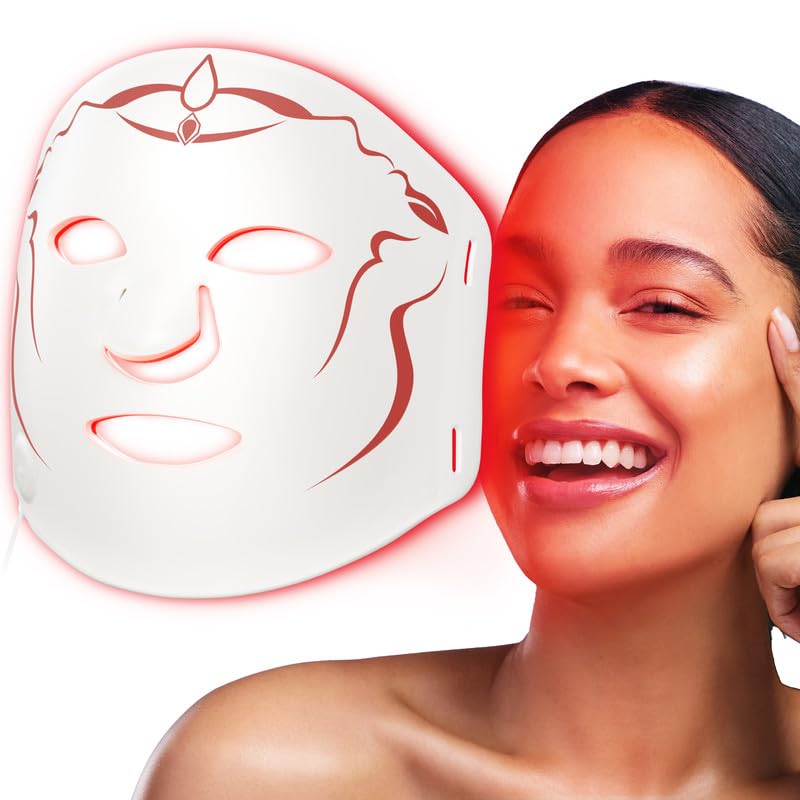
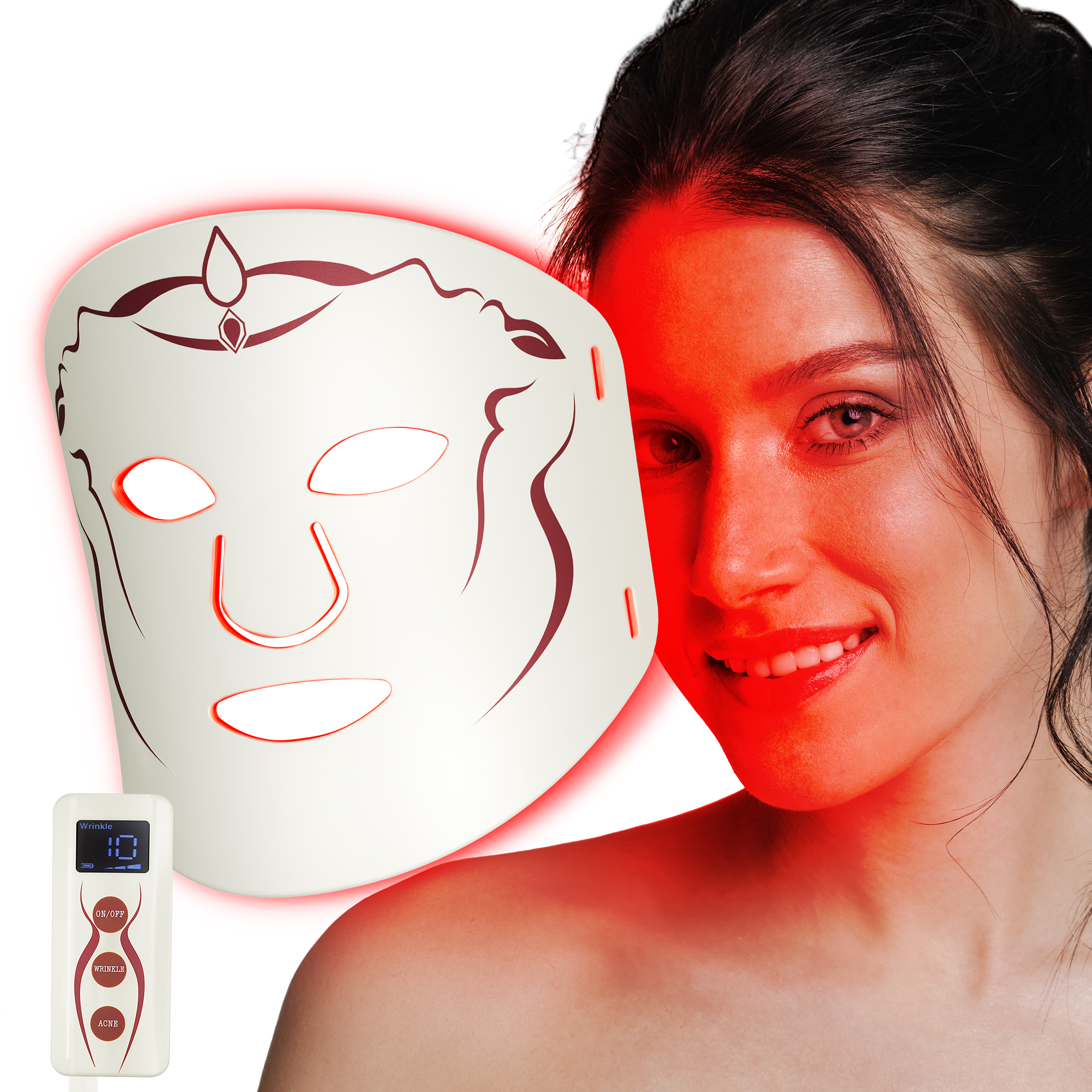
Red light (630-660nm) penetrates deeper into the dermis where it is absorbed by cytochrome c oxidase in mitochondria. This triggers increased production of ATP (cellular energy), promoting the fibroblast activity that synthesizes new collagen and elastin. The result is measurable improvements in fine lines, skin firmness, and overall texture.
Critically, red light also has powerful anti-inflammatory properties. It reduces the inflammatory cytokines that drive chronic skin conditions like rosacea and accelerates healing after invasive skincare procedures. For anyone dealing with redness, sensitivity, or post-procedure recovery, red light is non-negotiable.
The ideal approach combines both. Morning sessions with blue light address bacterial overload and prevent new breakouts. Evening sessions with red light repair and rejuvenate while you sleep. LAYNA dual-wave devices deliver both simultaneously, giving you the complete clinical experience in a single 10-minute session.