LED Light Therapy: The Science Behind Clearer Skin
Discover how specific wavelengths of light penetrate your skin to reduce acne, smooth wrinkles, and restore a youthful glow — all from the comfort of your home.
LED light therapy has transformed the skincare industry, offering a non-invasive way to address a wide range of skin concerns. But how does it actually work? The science is fascinating and well-documented.
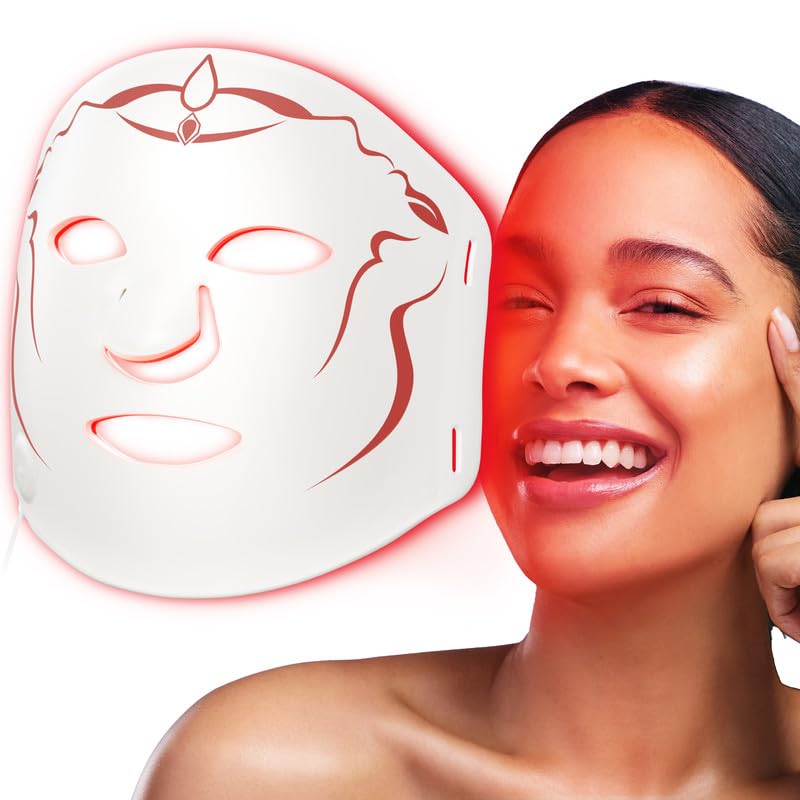
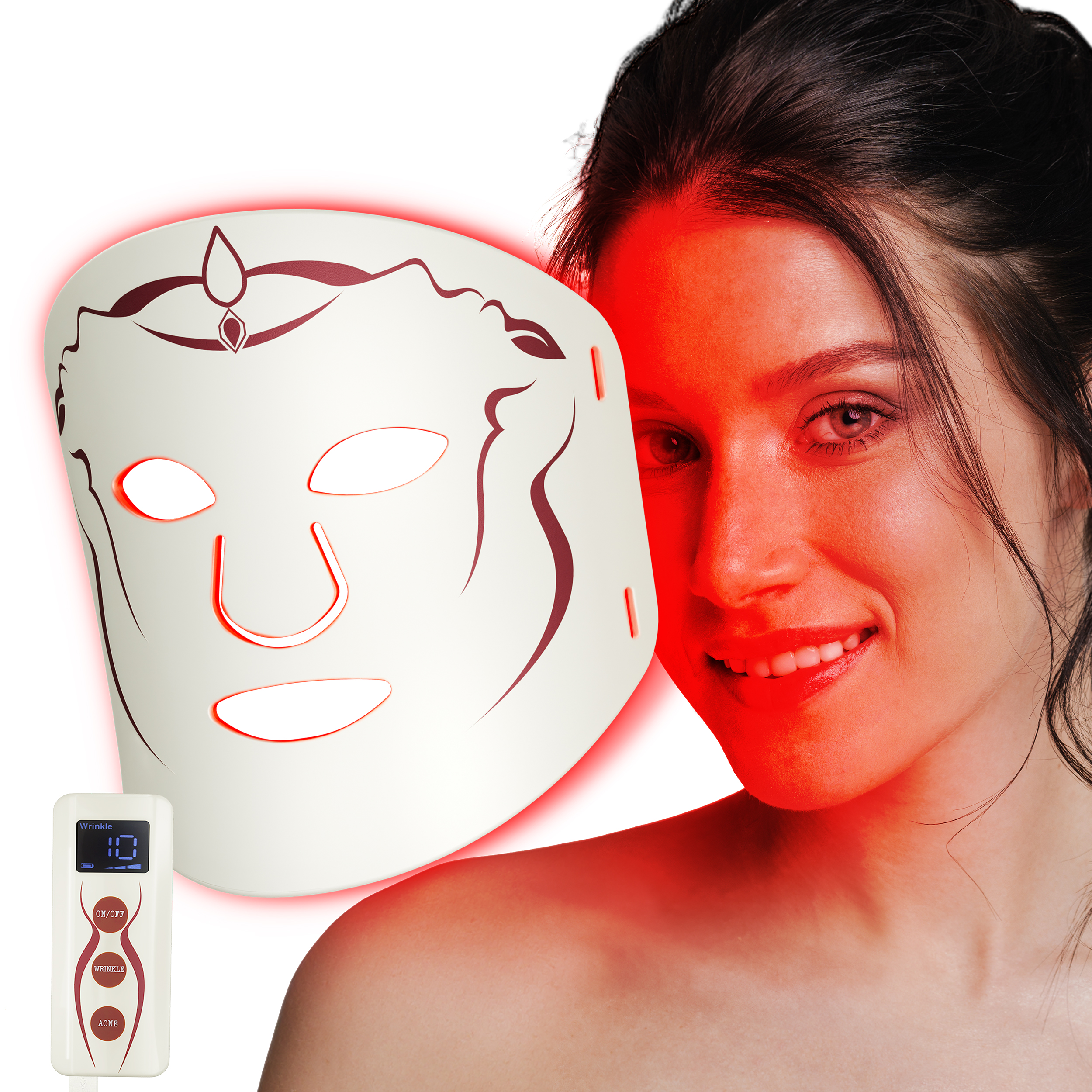
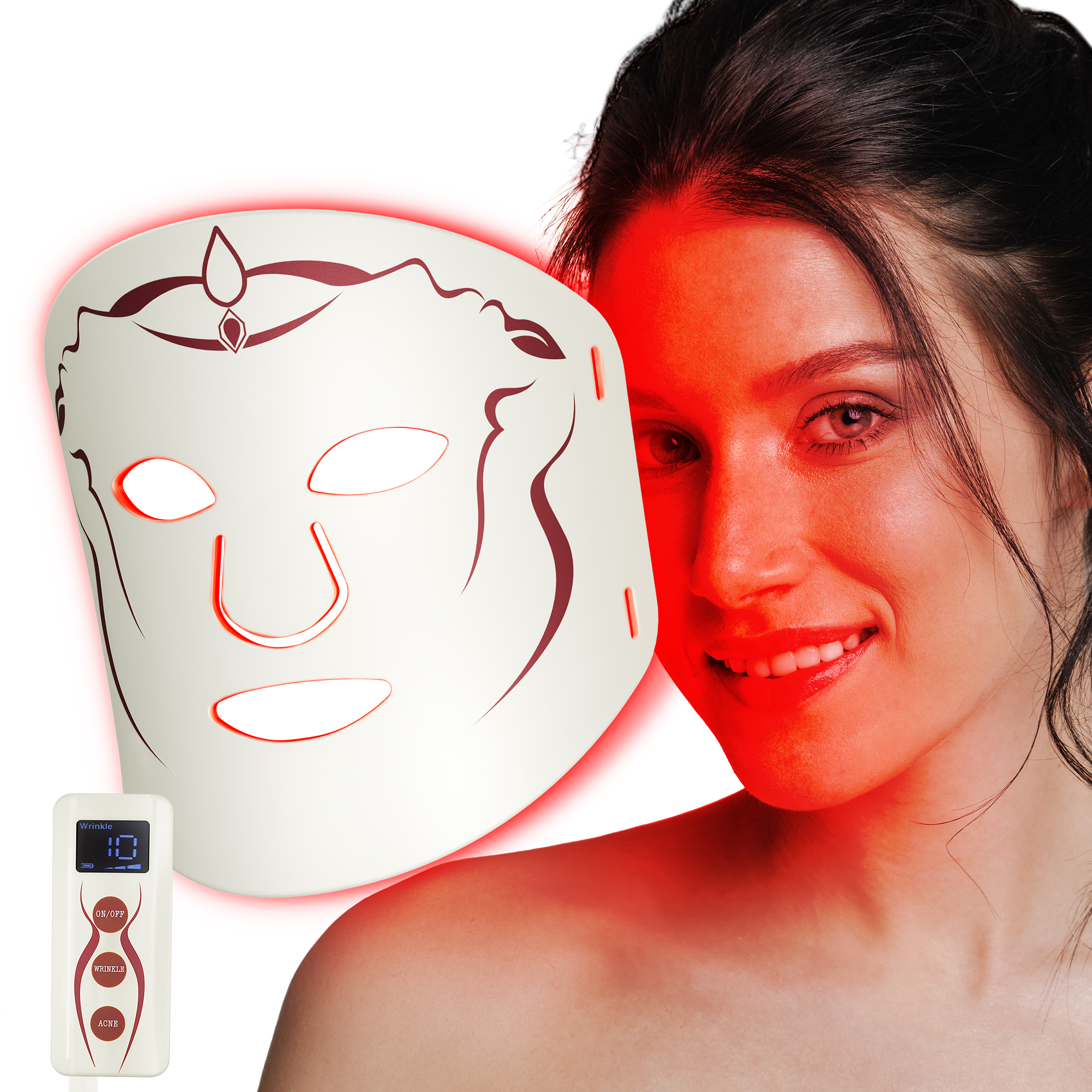
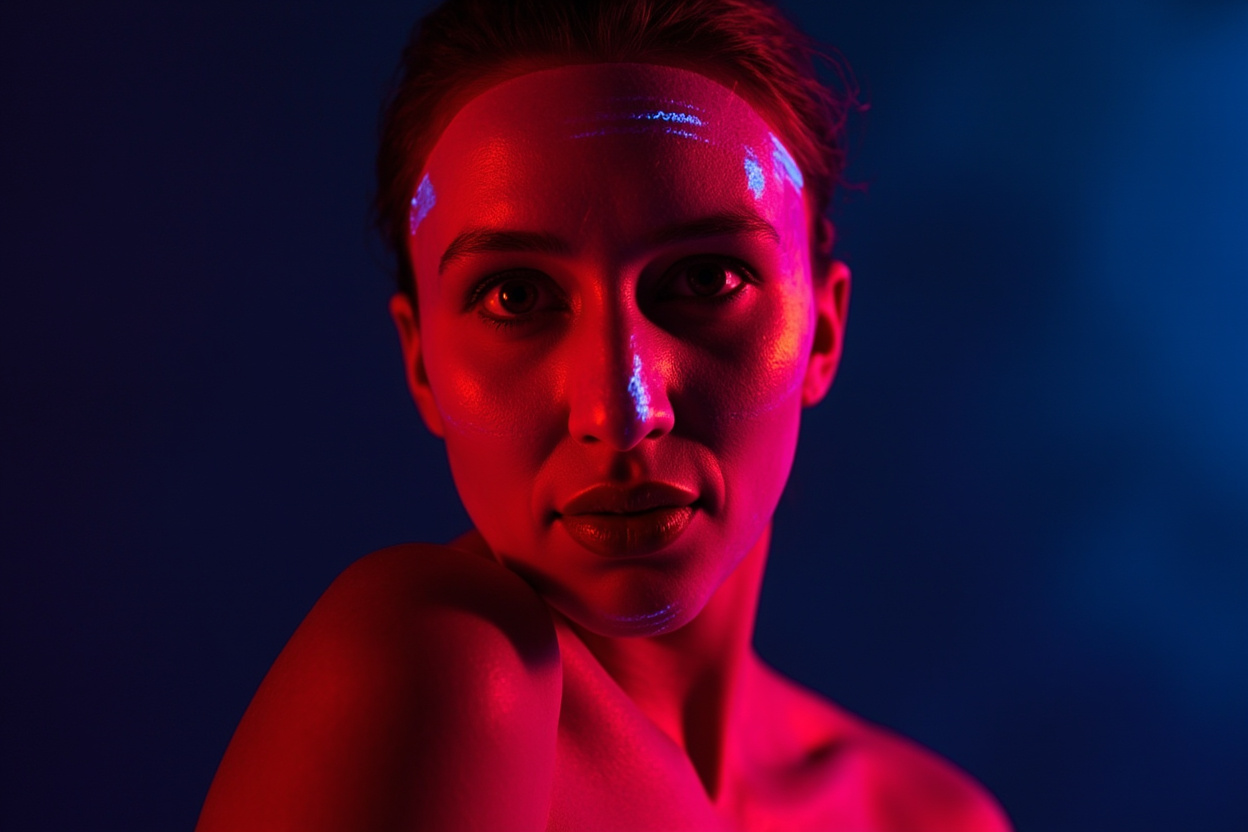
Different wavelengths of light penetrate the skin at varying depths. Red light (625nm) reaches the dermis, stimulating collagen production and increasing cellular energy. This leads to smoother skin texture, reduced fine lines, and improved elasticity over time. Blue light (465nm) works on the surface to target acne-causing bacteria and reduce inflammation.
Blue light (around 415-470nm) targets acne-causing bacteria (Cutibacterium acnes) without damaging surrounding tissue. When these bacteria are exposed to blue light, they produce reactive oxygen species that destroy them from within. This makes blue light an effective, drug-free option for mild to moderate acne.
Consistency is key with LED therapy. Clinical studies show that users who apply light therapy 3-5 times per week for at least 8 weeks see significant improvements in skin tone, texture, and overall radiance. LAYNA's devices deliver red (625nm) and blue (465nm) light at clinically-proven intensities — the same wavelengths used in professional dermatology offices, giving you professional-grade results at home.
Tags
Share this article