Near Infrared Light Skincare Missing Wavelength
You've heard about near-infrared light for skin. Here's what it actually does, which wavelengths matter, and how to get those deep dermal benefits with the technology LAYNA uses.
Near-infrared (NIR) light — typically wavelengths between 700-1100nm — has become a buzzword in the skincare industry, with some devices claiming it penetrates deeper than red light for superior anti-aging results. Before you spend money on another device, here's what the science actually says about NIR light and your skin.
What NIR Actually Does
Near-infrared light does penetrate deeper into tissue than visible red light. The 800-900nm range reaches subcutaneous tissue, not just the dermis. This deeper penetration is why NIR is used in wound healing and muscle recovery contexts — it reaches beyond skin cells into underlying tissue and muscle.
In skincare, NIR's appeal is for deeper collagen stimulation and enhanced cellular repair. The theory is that by reaching deeper layers, NIR can stimulate a broader range of cellular activity than visible red light.
The Caveat: LAYNA Doesn't Use NIR — And That's Fine
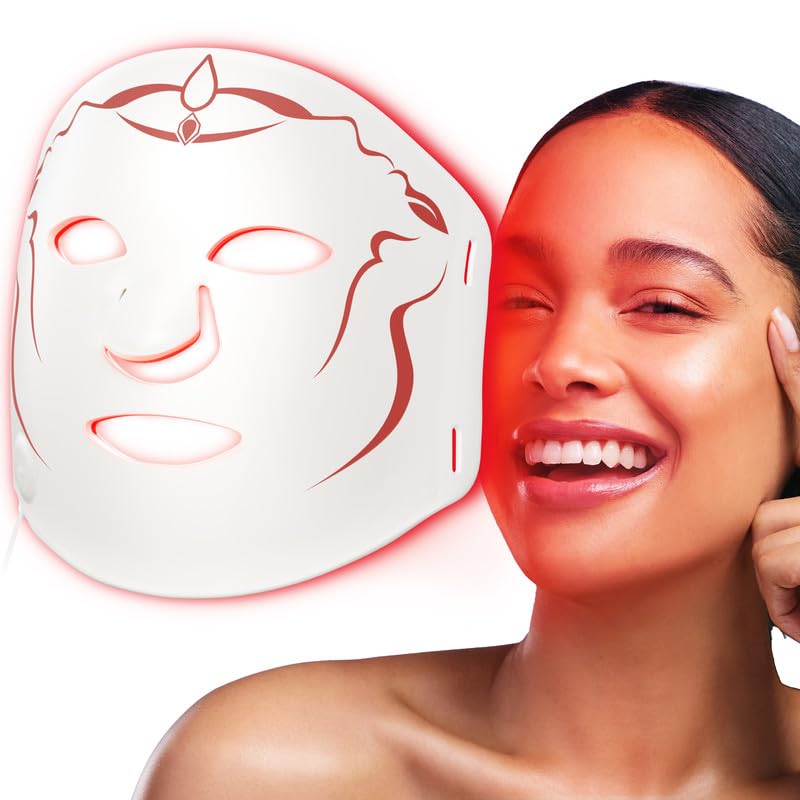
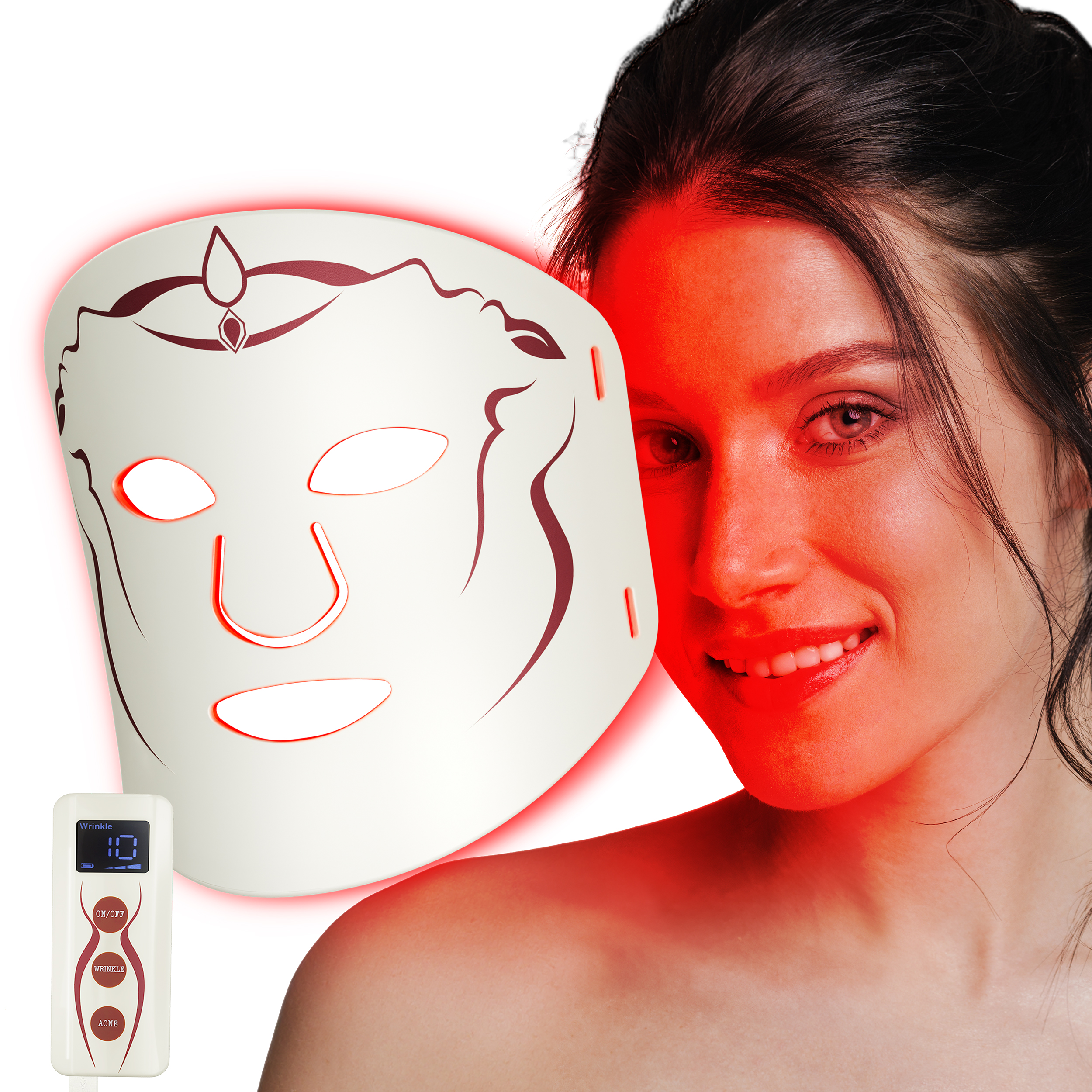
You may have seen other LED mask brands advertise 830nm or 850nm near-infrared wavelengths. LAYNA focuses exclusively on the 625±5nm red light and 465±5nm blue light — the two wavelengths with the most robust and long-standing clinical evidence in skincare.
This is actually a thoughtful product decision. The research base for red light (630-660nm) and blue light (415-470nm) in dermatology spans decades and hundreds of peer-reviewed studies. While NIR research is growing, it remains less established for everyday skincare applications. LAYNA chose to do two things exceptionally well rather than spread across many wavelengths with less evidence.
Getting Deep Dermal Benefits from LAYNA
Red light at 625±5nm already penetrates the dermis effectively — the layer where collagen and elastin are produced. This is the layer responsible for skin firmness and Youth. You don't need to reach subcutaneous tissue to meaningfully stimulate collagen production; the dermis is exactly where you want to be targeting anti-aging.
LAYNA's red light (625nm) reaches the dermis, stimulates mitochondrial activity in fibroblasts (the cells that make collagen), and has decades of clinical evidence supporting its effectiveness for fine lines, skin texture, and overall skin quality. The wavelength you choose matters less than choosing a well-supported one and using it consistently.
The Bottom Line
If deep tissue penetration is what you're after, red light at 625nm is already your best at-home option. NIR has its benefits in clinical and medical contexts, but for everyday skincare, the 625±5nm red light used in LAYNA masks is supported by more evidence and more directly addresses the collagen stimulation and cellular energy goals that most people want. Stick with what works — and use it every day.
Tags
Share this article