LED Light Therapy For Acne Why Blue Light Works
Blue light therapy is clinically proven to kill acne-causing bacteria. Here's the science behind why LAYNA's 465±5nm blue light is one of the most effective at-home acne treatments available.
Acne is a complex skin condition driven by four key factors: excess oil production, clogged pores, Cutibacterium acnes (C. acnes) bacteria, and inflammation. Most treatments target one or two of these factors. Blue light therapy targets one of the most stubborn causes: the bacteria itself.
The Science of Blue Light and Acne
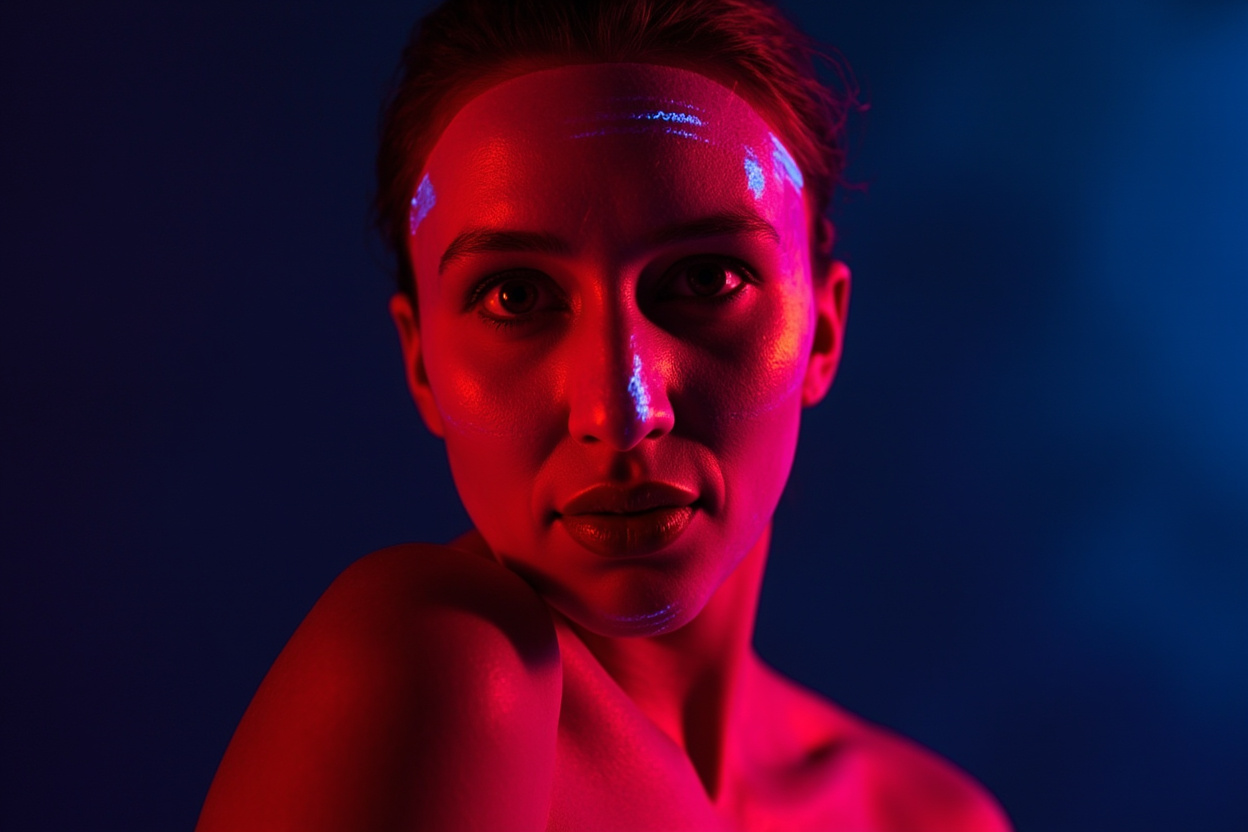
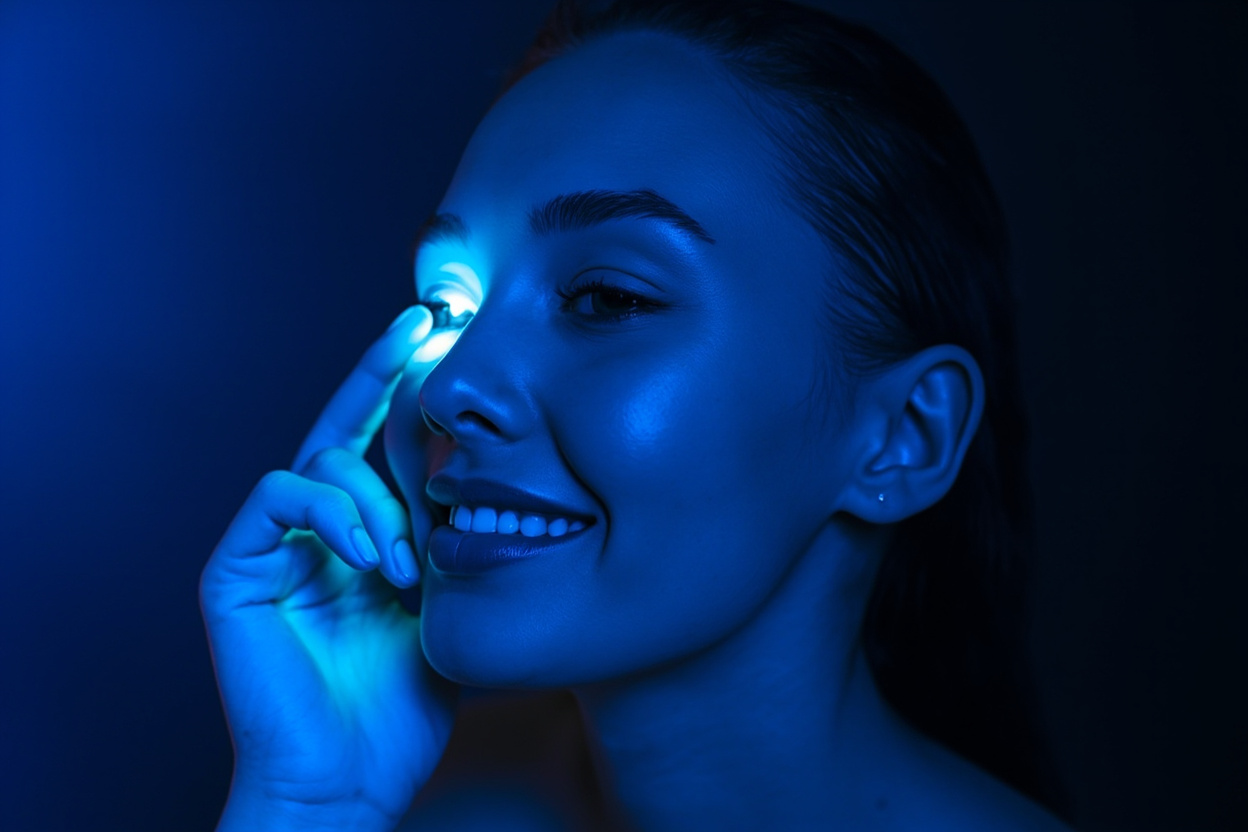
Blue light at wavelengths between 415-470nm has been extensively studied for its antibacterial effects on C. acnes. The mechanism is photochemical: blue light is absorbed by porphyrins within the C. acnes bacteria, which then generate reactive oxygen species (ROS) that destroy the bacteria from within. It's essentially a targeted bacterial elimination system — and it works without antibiotics.
LAYNA's blue light at 465±5nm falls squarely within this proven range. Multiple clinical studies have demonstrated significant reductions in acne lesion counts after 8-12 weeks of consistent blue light treatment, with some studies showing up to 67% reduction in inflammatory acne lesions.
Why Antibiotics Are a Worse Alternative
Oral antibiotics have been a first-line treatment for moderate acne for decades — but their limitations and risks are increasingly apparent. Antibiotic resistance is a growing public health crisis, and using antibiotics long-term for a cosmetic condition carries real costs. Additionally, antibiotics don't selectively target C. acnes; they disrupt the entire skin and gut microbiome.
Blue light therapy sidesteps all of these issues. There's no risk of resistance, no systemic side effects, and it can be used indefinitely as a maintenance treatment without concern for antibiotic resistance or microbiome disruption.
Blue Light vs. Red Light for Acne
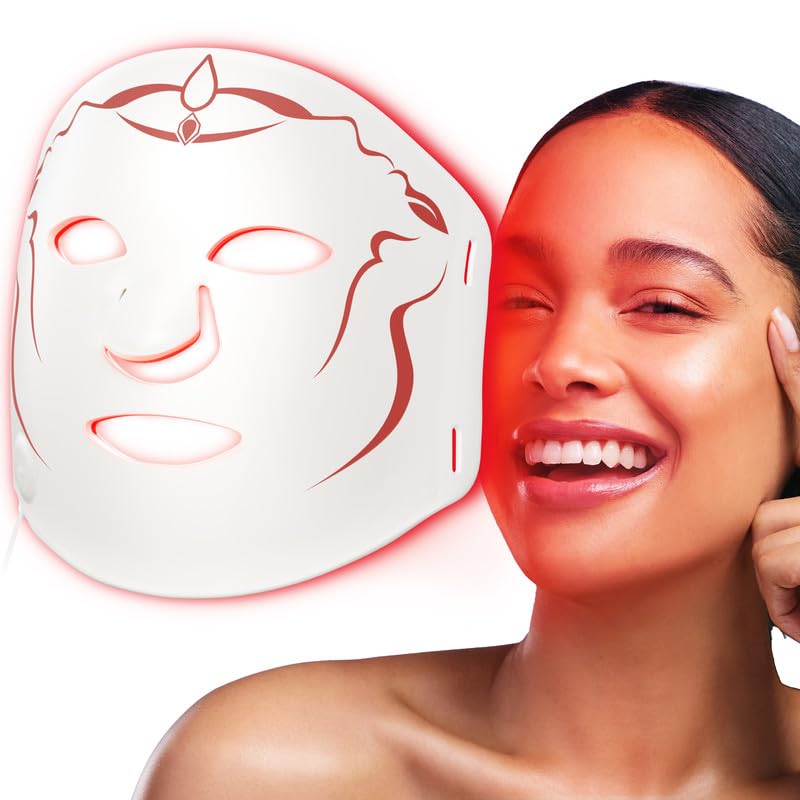
Both wavelengths help with acne, but through different mechanisms. Blue light directly targets C. acnes bacteria. Red light (625±5nm) addresses the inflammation component — reducing the redness, swelling, and post-inflammatory hyperpigmentation that often follows acne breakouts.
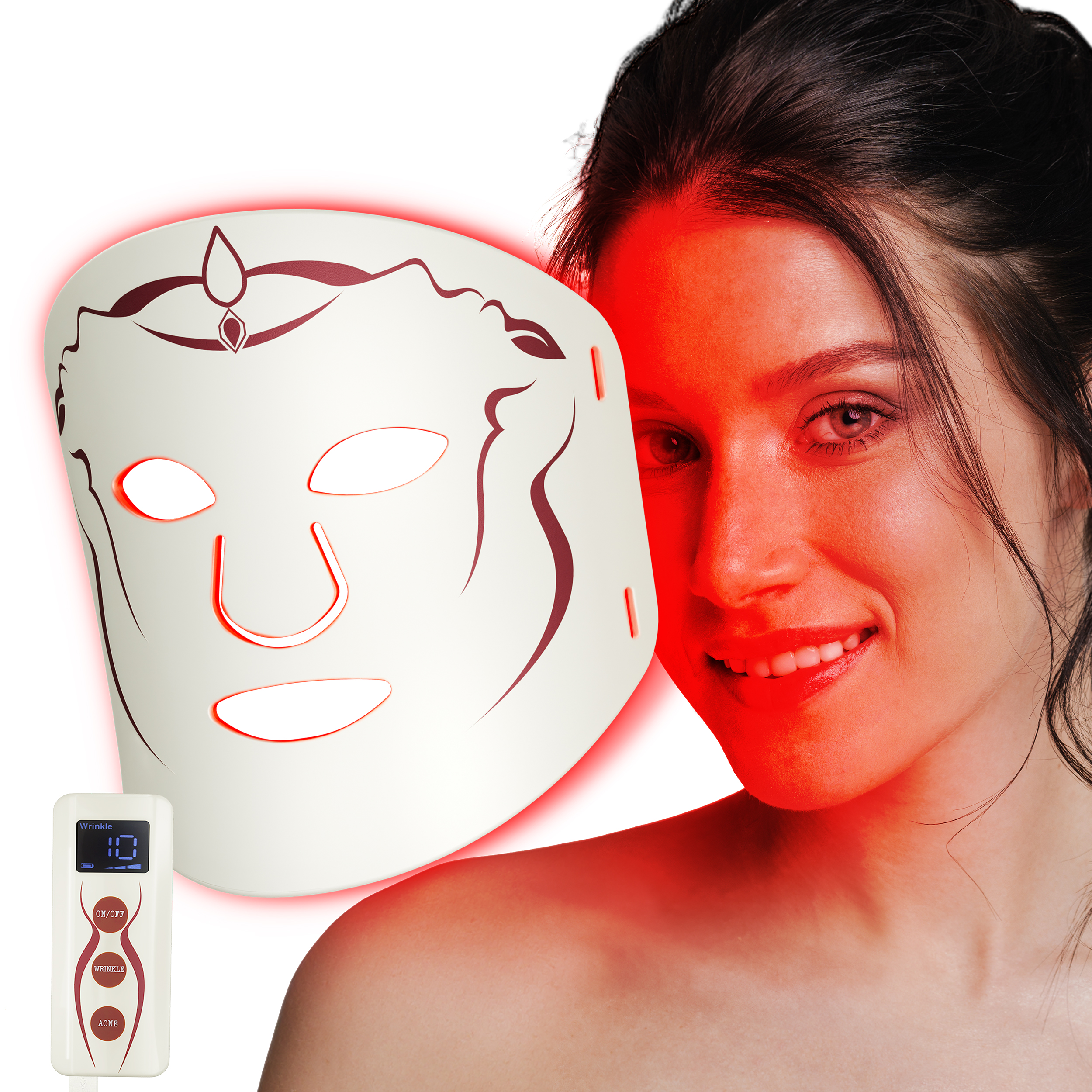
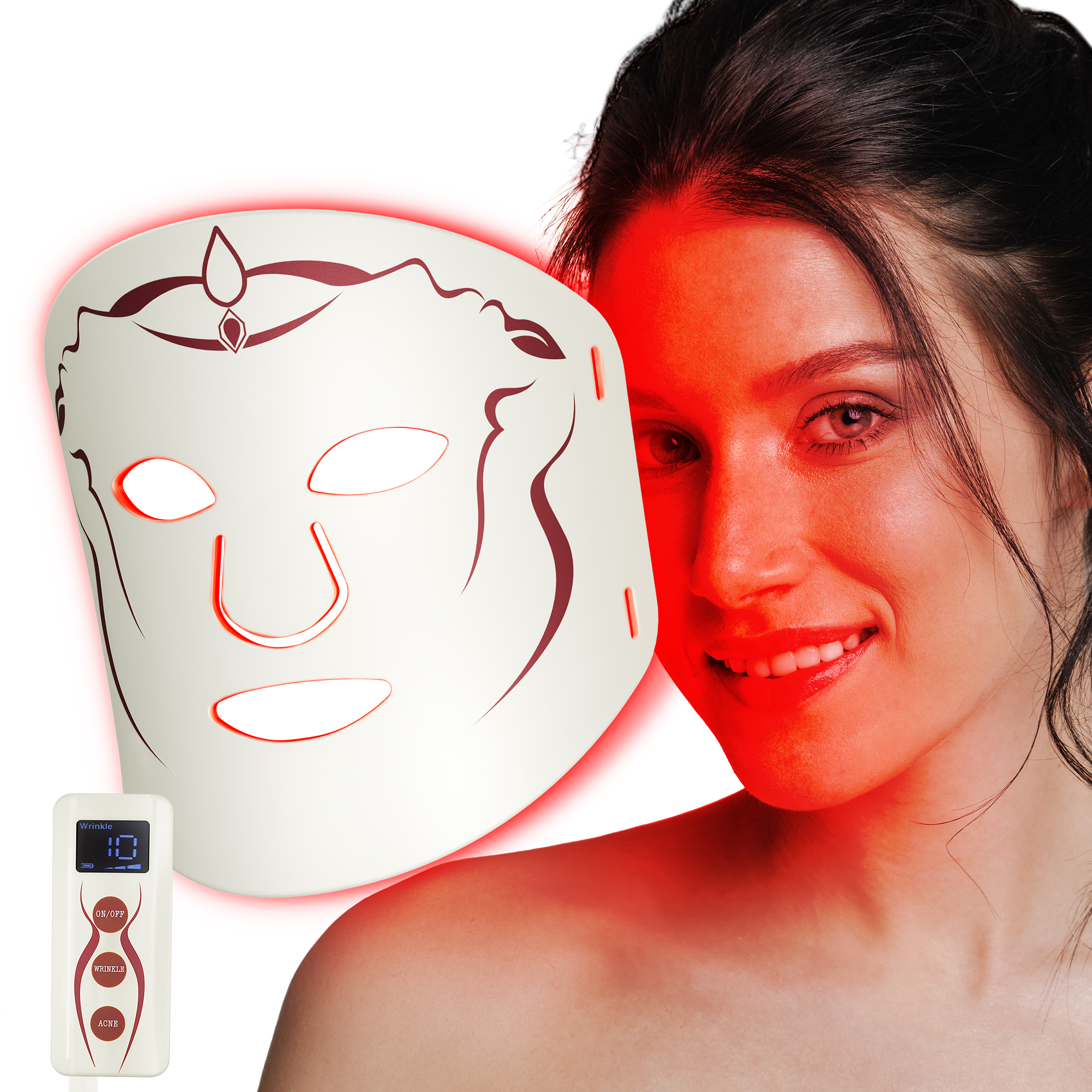
The most effective approach for acne-prone skin is combining both. Use blue light to kill bacteria and red light to calm inflammation and support skin healing. LAYNA's dual-wavelength masks make this combination effortless — alternate between red and blue sessions throughout the week for comprehensive acne management.
Supporting Your Blue Light Treatment
Blue light therapy works best as part of a complete skin routine. Keep your skin barrier healthy with gentle cleansers and non-comedogenic moisturizers. Avoid over-exfoliation, which can compromise the skin and reduce light penetration. And be patient — blue light kills bacteria on contact during each session, but existing inflammation takes time to resolve. Most users see meaningful improvement within 4-8 weeks of consistent use.
Tags
Share this article