Hidden Cost Not Treating Acne Early Intervention
The true cost of leaving acne untreated goes beyond the breakouts themselves. Early intervention prevents scarring, hyperpigmentation, and long-term skin damage that no cream can reverse.
There's a widespread belief that acne is something you just have to wait out — that it clears up eventually, and the only cost is a few months of breakout frustration. Dermatologists see a different reality: patients who struggled through years of untreated acne presenting with permanent scarring, deep hyperpigmentation, and skin texture changes that no over-the-counter product can reverse. The true cost of not treating acne early is paid in skin damage, not just breakouts.
What Untreated Acne Actually Does to Your Skin
Every inflammatory acne lesion — the red papules, pustules, and cysts — triggers the skin's wound healing response. When these lesions are allowed to persist without treatment, the inflammatory process continues longer than necessary, causing more collateral damage to surrounding collagen and elastin fibers.
The result: atrophic scarring (the ice pick, boxcar, and rolling scars that make skin look permanently pitted), dilated pores from chronic inflammation, and post-inflammatory hyperpigmentation (PIH) — the dark marks that remain long after the acne itself has resolved.
Once these changes occur, they are extraordinarily difficult and expensive to treat. Deep acne scarring typically requires laser resurfacing, microneedling, or dermal fillers — procedures costing thousands of dollars per session with no guarantee of full correction.
Early Intervention Is Cheaper Than Corrective Treatment
Consider the math: a 16-year-old with mild to moderate acne who treats it consistently for two years might spend $200-400 on an LED mask and basic skincare. A 28-year-old with established scarring who then undergoes three laser resurfacing sessions pays $4,500-9,000 — and still doesn't return to the skin they would have had with early treatment.
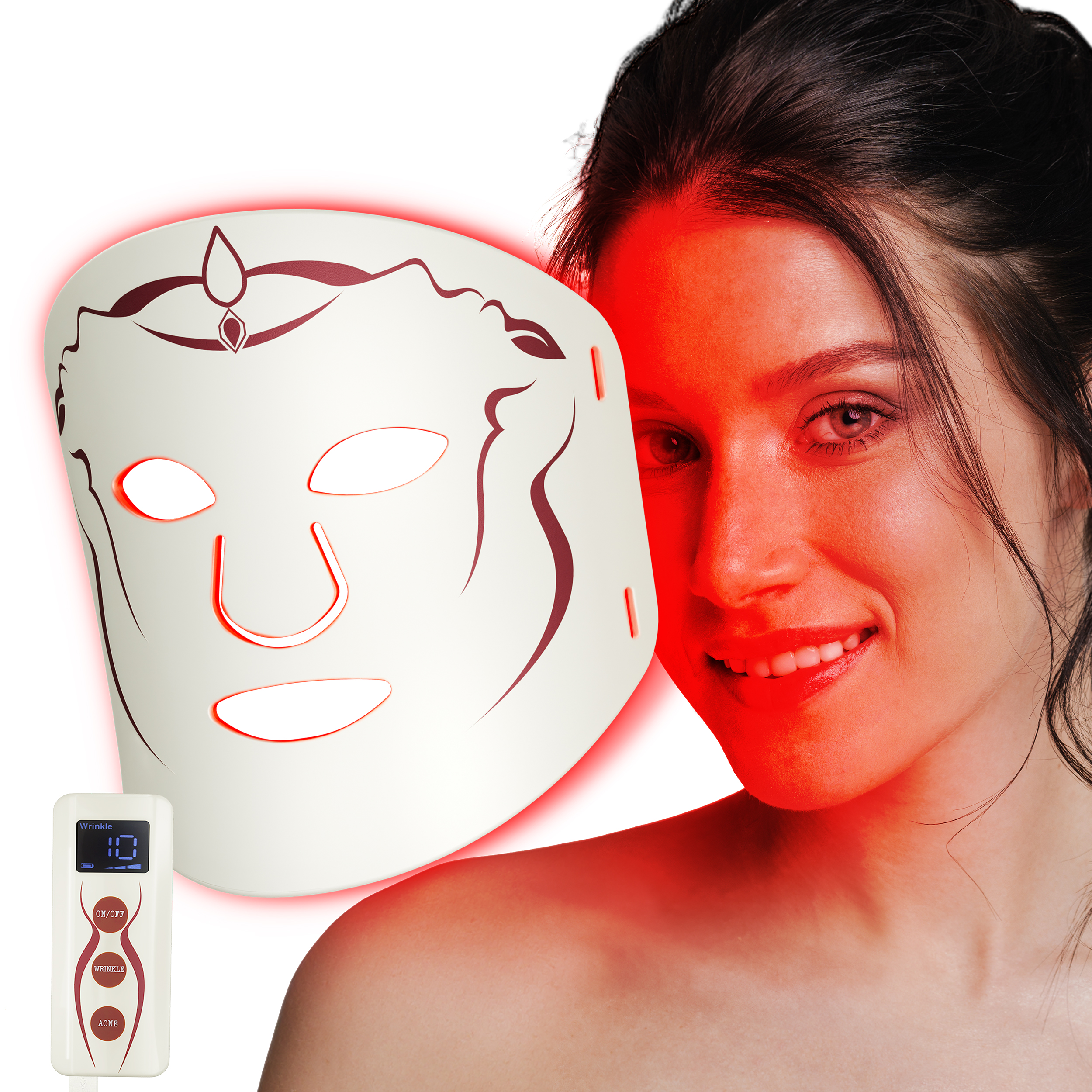
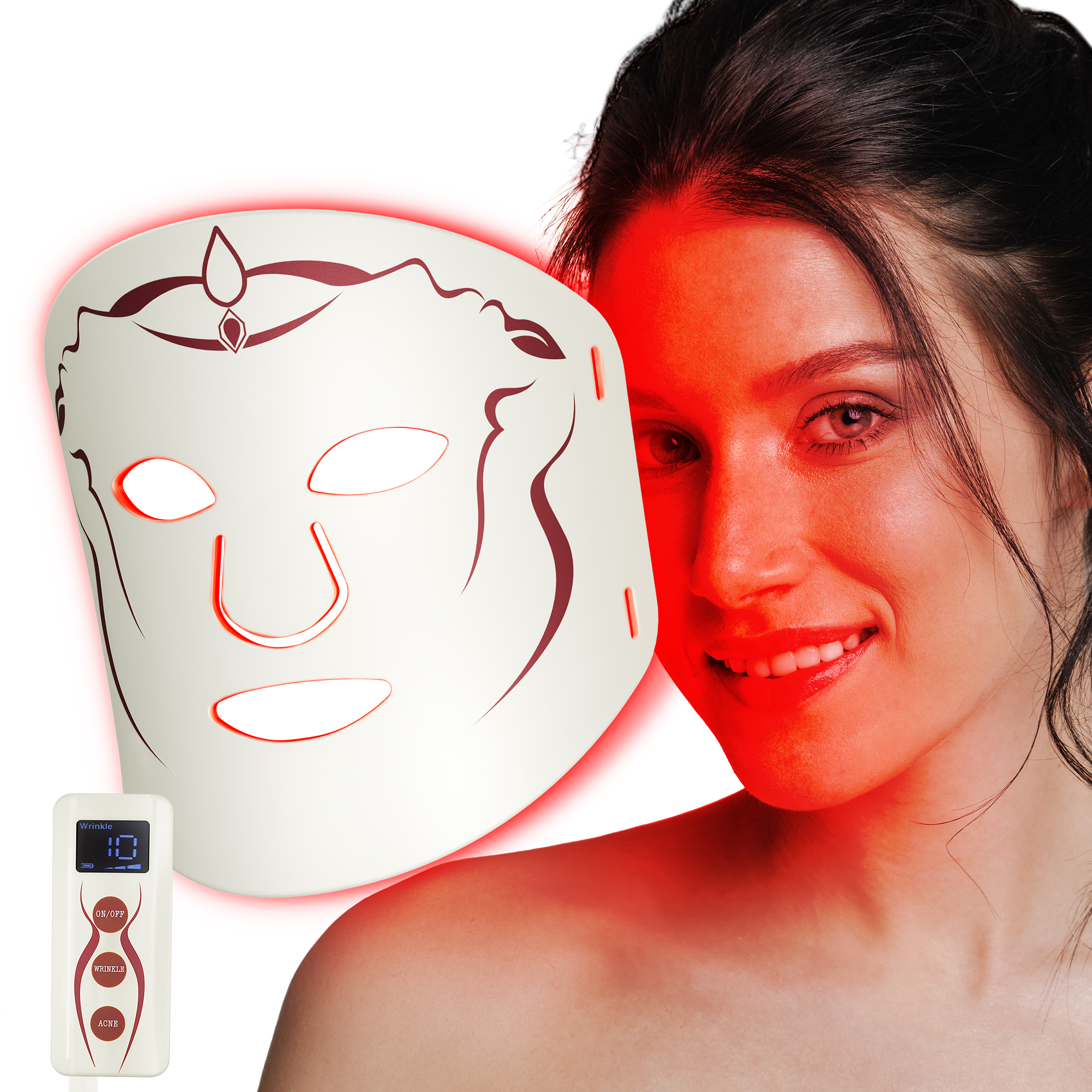
Blue light therapy at 465±5nm (the wavelength LAYNA uses) has been clinically proven to reduce inflammatory acne lesion counts by 60-67% over 8-12 weeks. That's meaningful intervention at a cost a fraction of scar revision procedures. The investment in treating acne early — even mild acne — is among the most cost-effective decisions a person can make for their long-term skin health.
What "Early Intervention" Actually Means
Early intervention doesn't mean aggressive treatment. It means addressing acne when it first appears rather than waiting to see if it resolves on its own. A consistent, gentle daily routine that includes blue light therapy to reduce bacteria and inflammation — combined with a non-comedogenic moisturizer and SPF — is sufficient for most mild to moderate acne cases.
The goal of early intervention is to keep inflammation brief and limited, minimize the depth and duration of each lesion, and prevent the cascade of events that leads to permanent skin damage. You don't need to eliminate every microscopic blemish; you need to prevent the deep, lingering inflammatory events that scar.
The Bigger Picture
Beyond the physical damage, untreated acne carries real psychological costs — lower self-esteem, social withdrawal, and in severe cases, clinical depression and anxiety. The link between acne severity and psychological distress is well-documented, and younger individuals are particularly vulnerable during formative social years.
Early, consistent treatment isn't vanity. It's self-care with compounding returns. Start with blue light. Stay consistent. Your future skin will be worth it.
Tags
Share this article