LED Light Therapy and Sun Protection
Can you use LED light therapy while wearing sunscreen? Does LED therapy make your skin more sun-sensitive? We clear up the confusion and share the ideal skincare sequence.
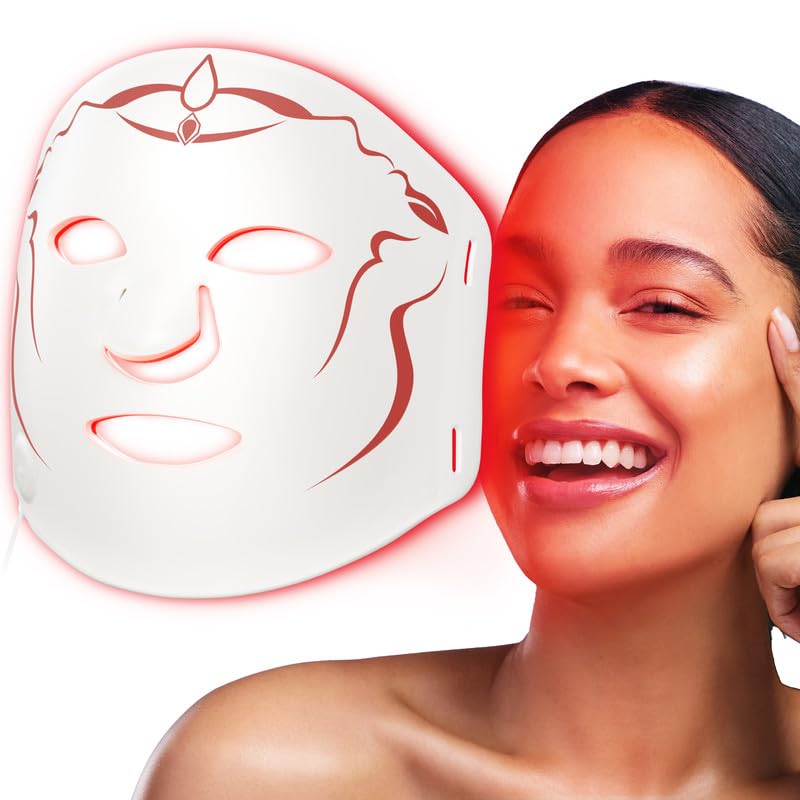
The relationship between LED light therapy and sun protection is one of the most commonly misunderstood aspects of at-home light therapy. Given that both red and blue LED light are visible light (not UV), there's actually no risk of the photosensitization that occurs with certain pharmaceutical agents. But that doesn't mean sun protection is irrelevant for LED therapy users — quite the opposite.
LED Light Is Not UV Light
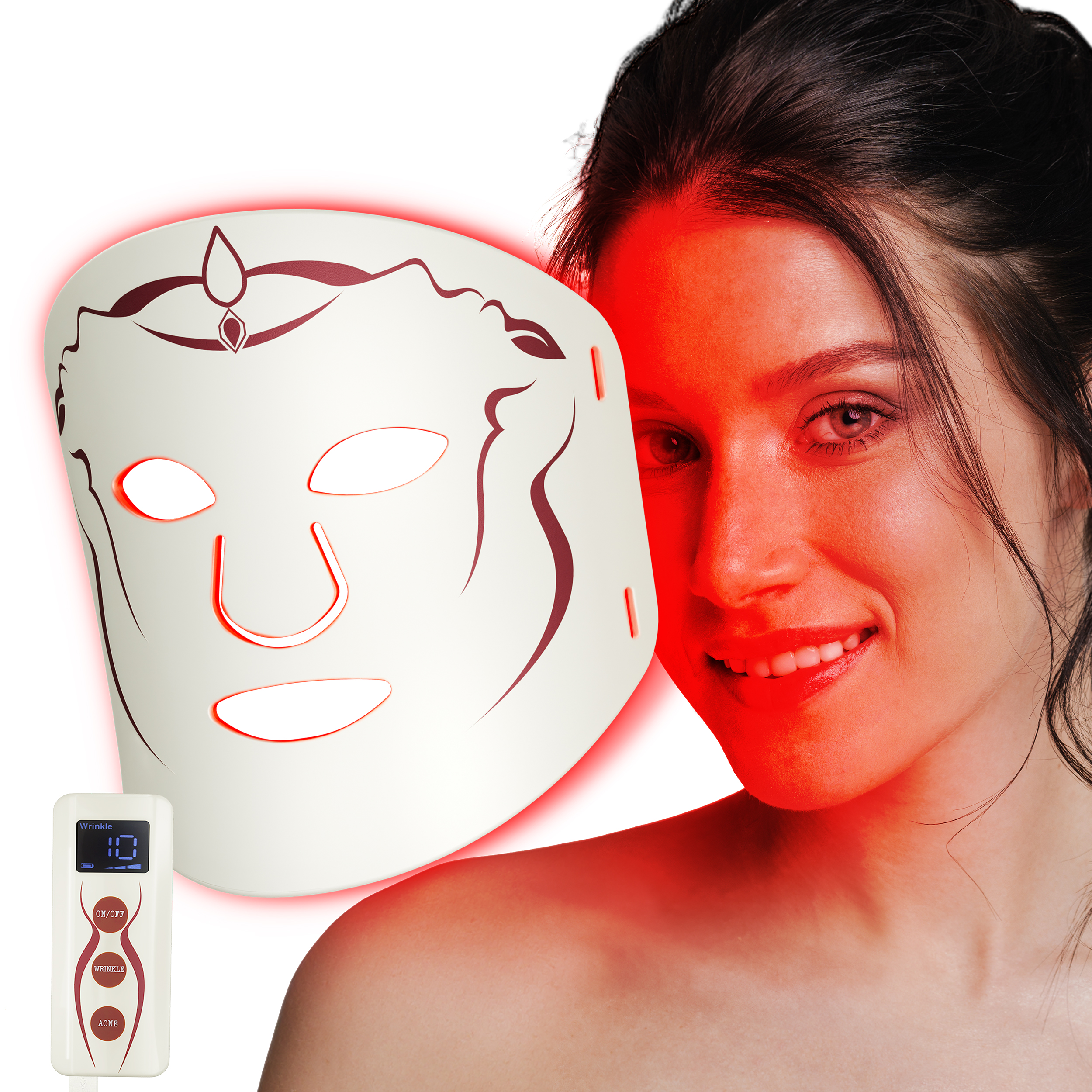
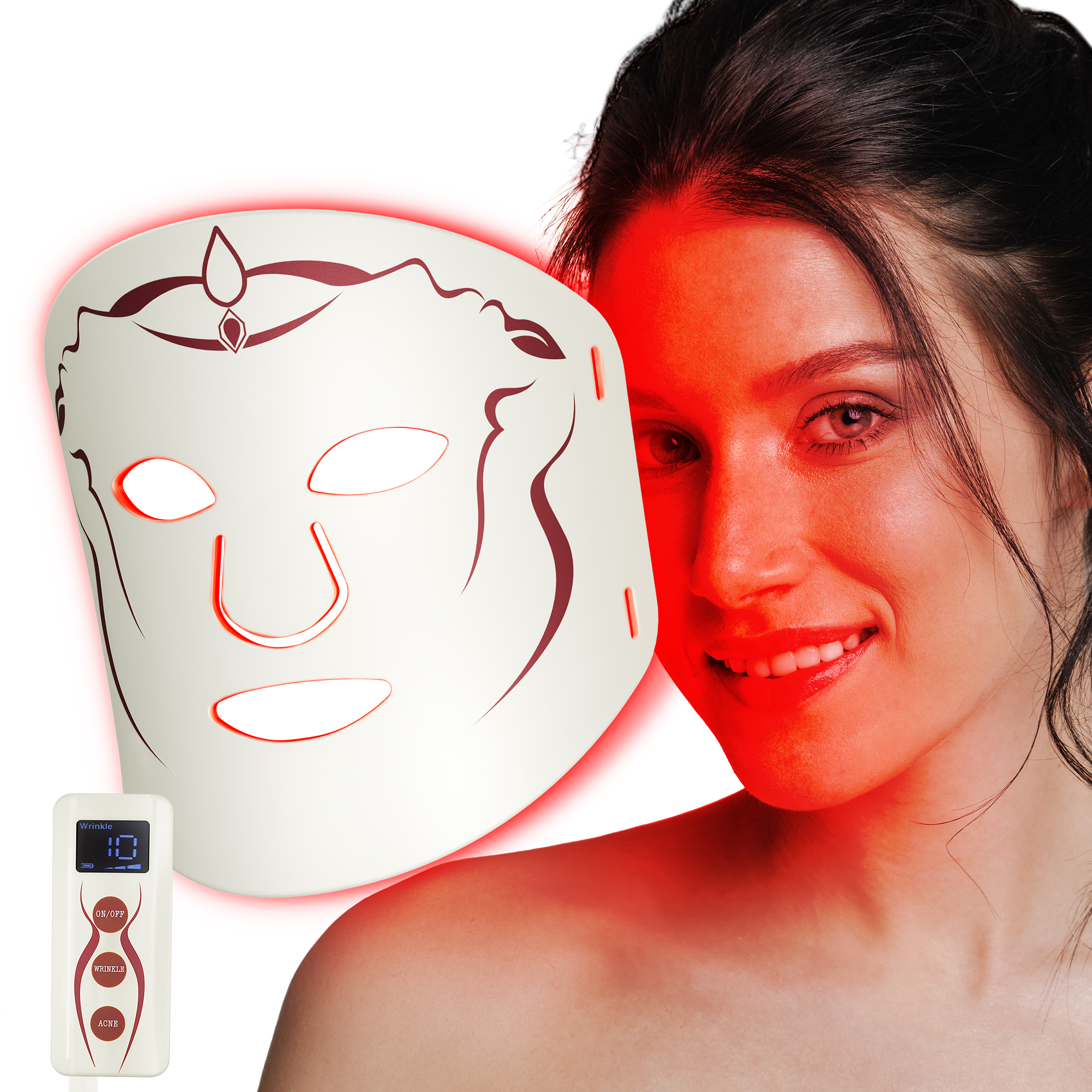
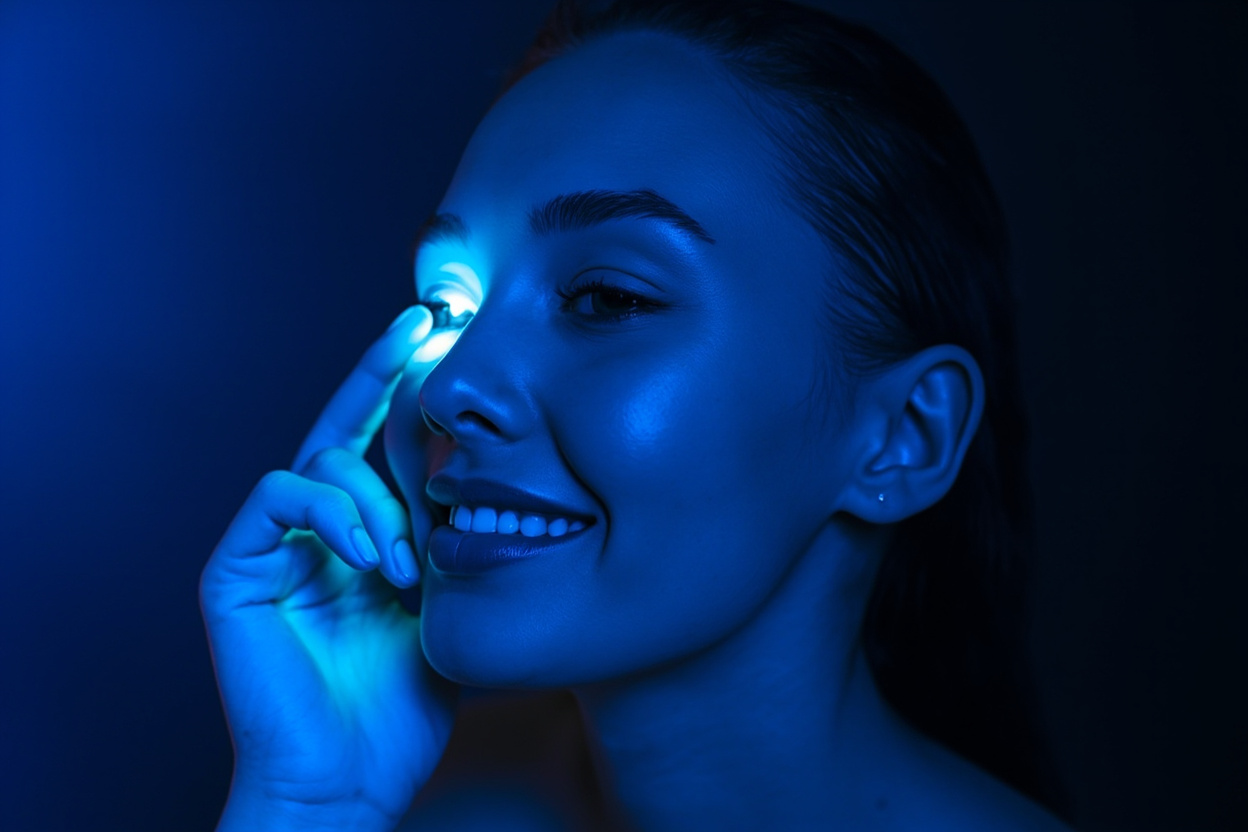
First, an important clarification: the wavelengths used in LAYNA's masks — 625±5nm (red) and 465±5nm (blue) — are in the visible light spectrum. They are not ultraviolet. UV light (100-400nm) causes sunburn, DNA damage, and melanoma; visible light does not work through the same mechanisms. You cannot get a "LED sunburn" from your mask.
Photosensitivity reactions — where light causes skin to burn or discolor more easily — are associated with certain medications (like accutane, some antibiotics, and NSAIDs) and certain cosmetic ingredients (like retinol, AHAs, and hydroquinone). LED light at therapeutic wavelengths does not independently cause photosensitivity in healthy skin.
Why Sunscreen Still Matters for LED Users
If LED doesn't cause sun damage, why does sun protection matter? The answer is that LED therapy and sun exposure work on completely different timescales and mechanisms — but they have the same ultimate target: your skin's health and appearance over time.
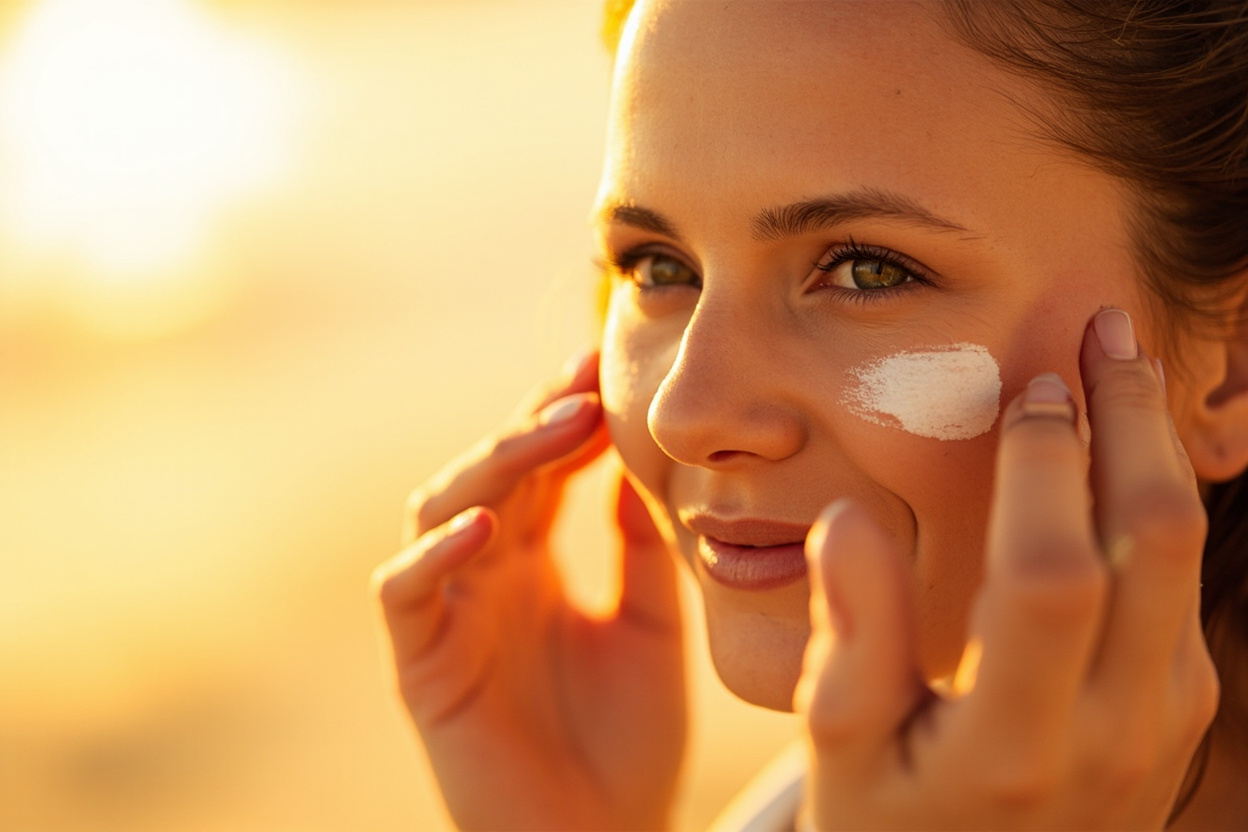
Every day of unprotected UV exposure undoes some of the cellular repair and collagen stimulation your LED mask is working to achieve. Sun damage is cumulative and irreversible in ways that LED therapy is not. Using SPF 30+ daily is the single most impactful skincare habit you can maintain alongside your LED routine — not because it affects your LED sessions, but because it protects the gains you're making.
The Ideal Skincare Sequence on LED Days
Morning: Cleanse → Antioxidant serum (vitamin C is ideal) → Moisturizer → SPF 50+
Apply your sunscreen in the morning as the final step before makeup or as your last skincare step. This protects against the day's incidental sun exposure.
Evening (LED Session): Double cleanse to remove sunscreen and makeup → Optional: apply a thin layer of conductive gel if you have very dry skin (not required with LAYNA's silicone mask) → Wear your LAYNA mask for 10 minutes → Moisturize immediately after your session while skin permeability is elevated.
The Bottom Line
Your LAYNA mask is safe to use at any time of day without concern for sun sensitivity — the wavelengths are visible light, not UV. What matters is maintaining a consistent sun protection habit to preserve and protect the improvements you're building with your LED routine. Think of it this way: LED therapy rebuilds what UV radiation breaks down. Why let daily UV exposure undermine the work your mask is doing?
Tags
Share this article