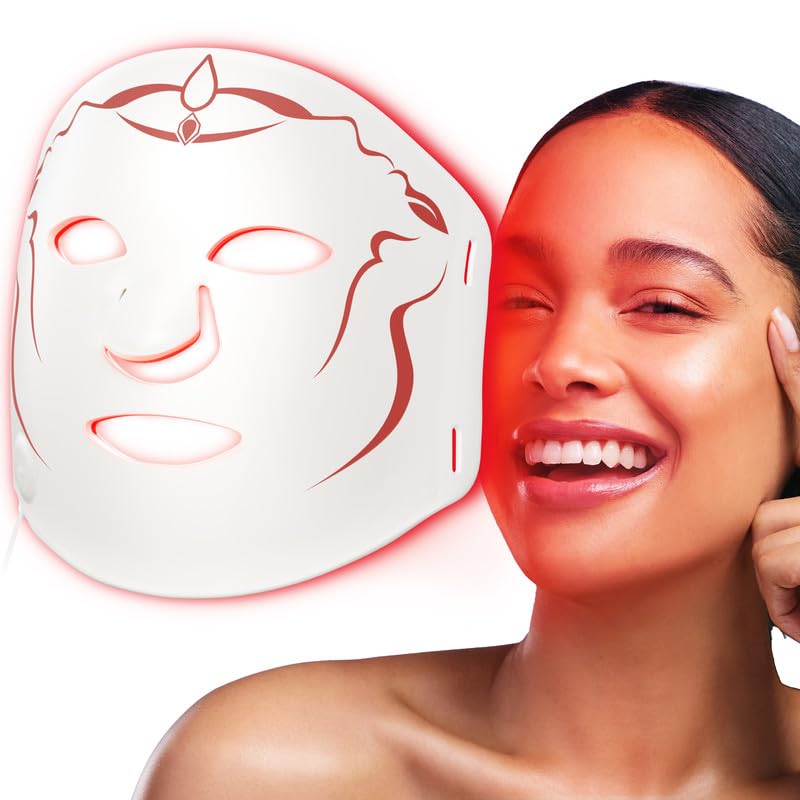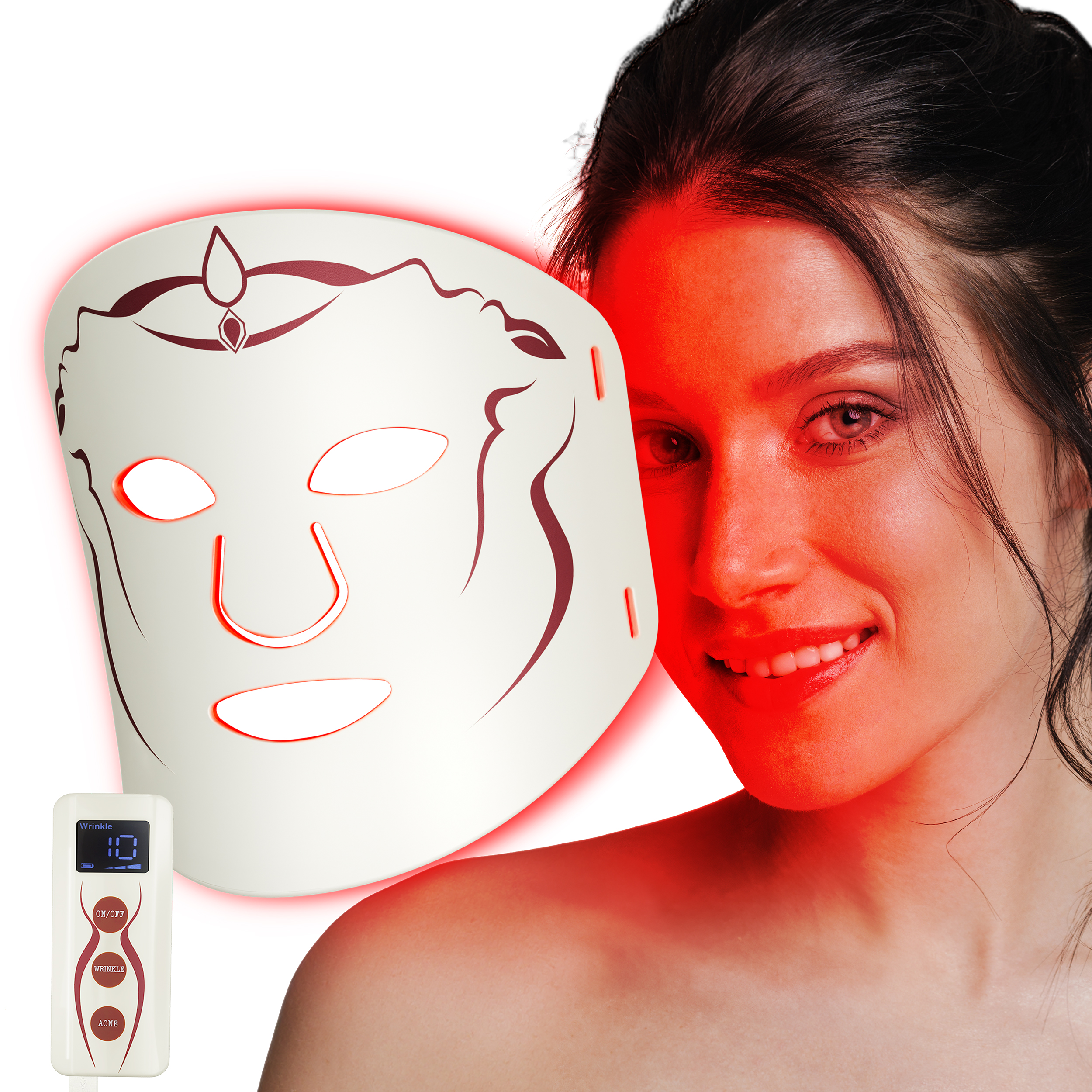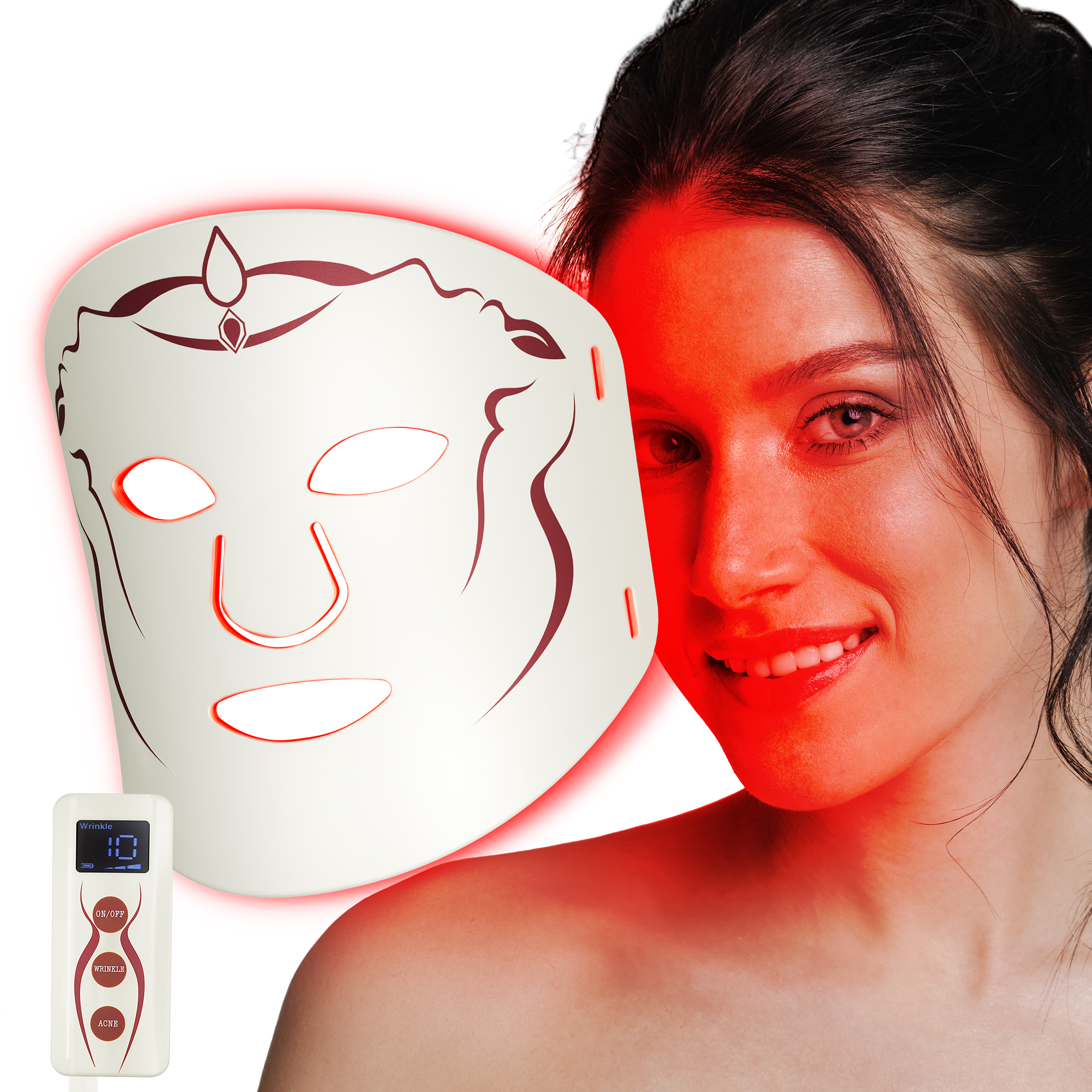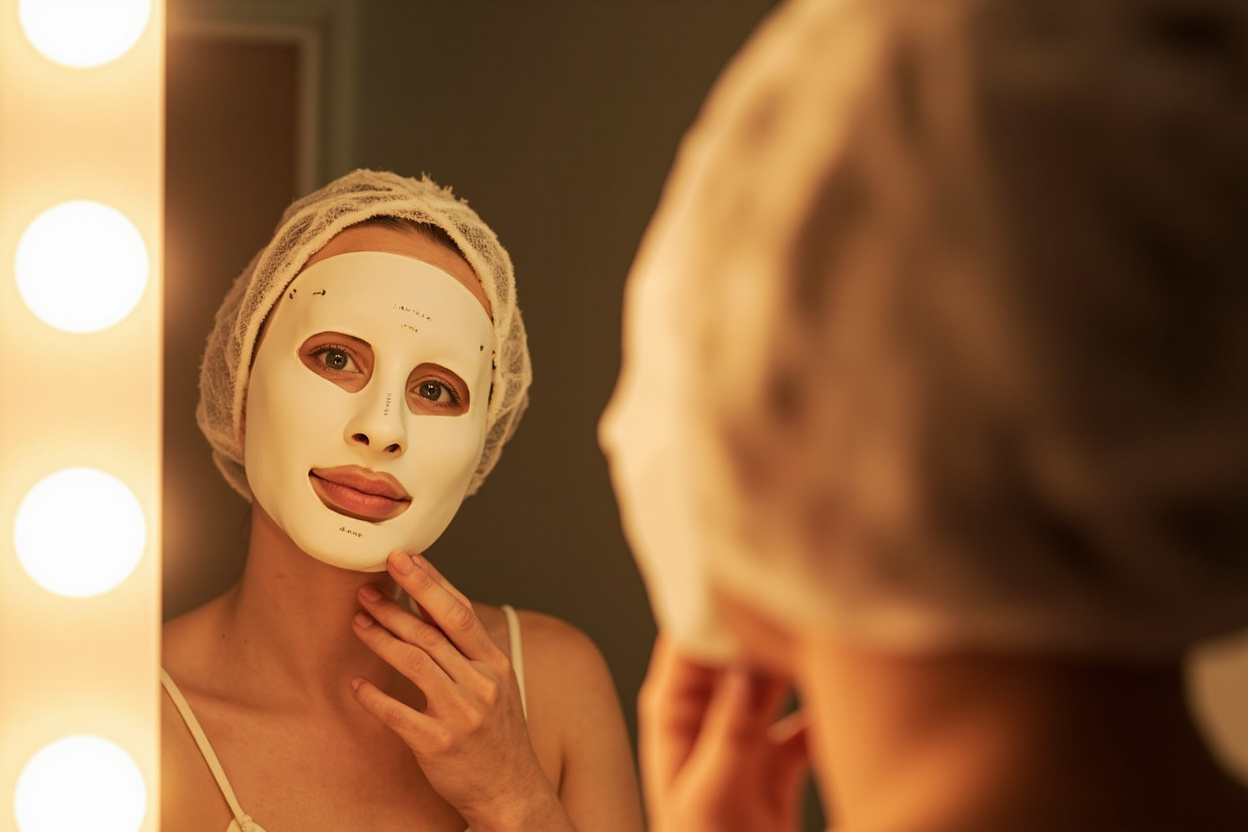
LED Light Therapy Rosacea Sensitive Skin
Rosacea and sensitive skin require gentle, evidence-based approaches. Red light therapy's anti-inflammatory action makes it one of the most suitable treatments for reactive, redness-prone skin.
Rosacea is a chronic inflammatory skin condition characterized by persistent redness, flushing, visible blood vessels, and sometimes papules and pustules. It affects an estimated 5.5% of the global population and is notably difficult to manage because many skincare treatments — including some that claim to help — can actually trigger flares. Red light therapy stands out as one of the few treatments specifically recommended for rosacea-prone skin.
Why Red Light Is Ideal for Rosacea
Rosacea is fundamentally an inflammatory condition. Red light at 625±5nm has well-documented anti-inflammatory effects at the cellular level. Specifically, red light:
• Reduces levels of pro-inflammatory cytokines (TNF-α, IL-1β, IL-6) that are elevated in rosacea skin
• Modulates mast cell activity, reducing the flushing response
• Supports mitochondrial function in skin cells, improving cellular repair capacity
• Increases microcirculation without triggering the vasodilation that causes flushing
The key advantage of red light for rosacea is that it works with the skin's own repair mechanisms rather than overwhelming them. Unlike harsh topical treatments that can compromise the skin barrier, red light gently supports cellular function.
Why Blue Light Requires Caution with Rosacea
Blue light is generally not recommended during active rosacea flares. While blue light's antibacterial properties make it excellent for acne, the heat and slight stimulating effect of blue wavelengths can trigger flushing in rosacea-prone skin. If you have both rosacea and acne, focus on red light for inflammation management and consult a dermatologist about your acne component.
During remission periods (when your skin is calm and not actively flaring), some users introduce brief, infrequent blue light sessions — but start with very short sessions (3-5 minutes) and discontinue at the first sign of flushing or irritation.
A Gentle LAYNA Protocol for Rosacea-Prone Skin
Start slow: Begin with 5 minutes of red light, 3 times per week. Assess your skin's response over two weeks before increasing frequency or duration.
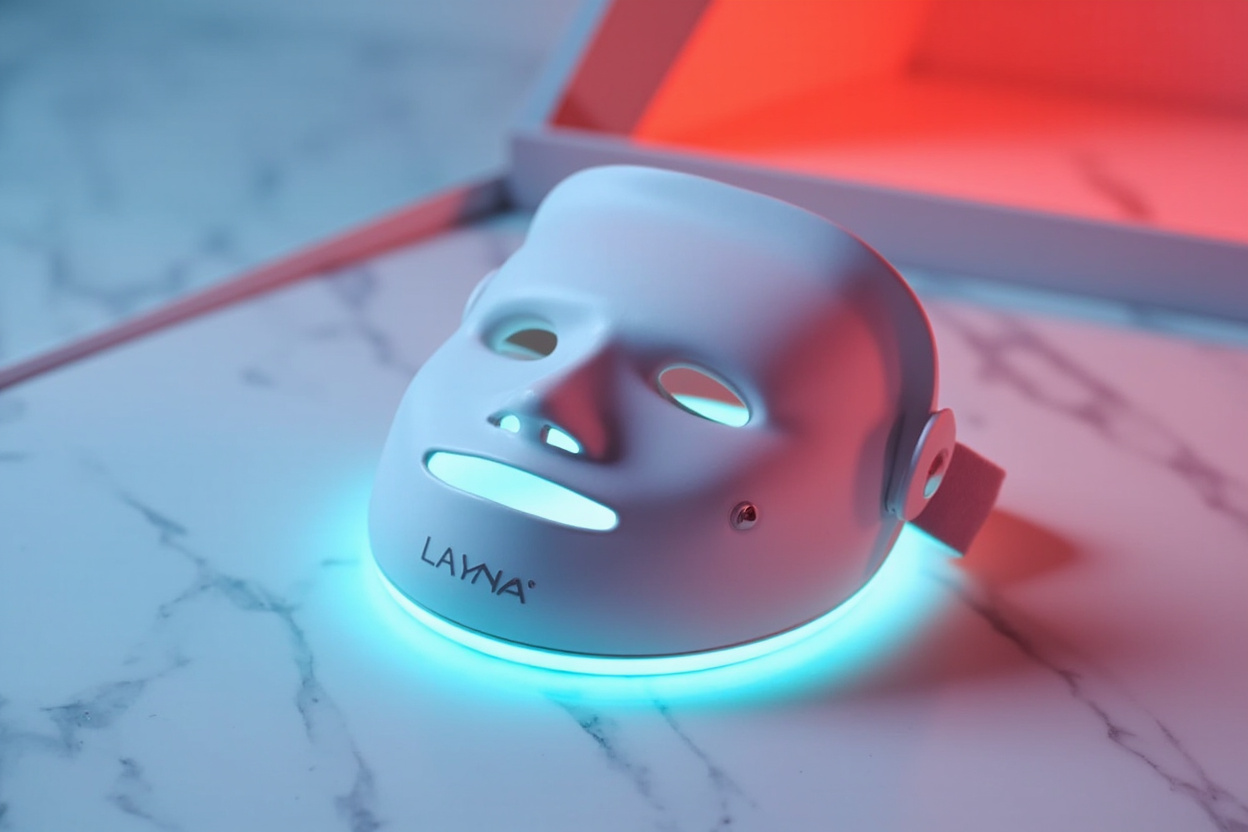
Keep sessions comfortable: If the mask feels warm in a way that triggers flushing, reduce session time. Comfortable warmth is fine; heat that triggers a flushing response is counterproductive.
Skip active flares: During a rosacea flare, pause LED sessions entirely. Focus on gentle cleansing, barrier support (ceramide moisturizer), and sun protection. Resume when skin is calm.
Maintain hydration: Rosacea-prone skin benefits greatly from consistent barrier support. Use fragrance-free moisturizers designed for sensitive skin.
Always use SPF: Sun exposure is one of the most common rosacea triggers. Daily SPF 30+ is non-negotiable.
Realistic Expectations
Red light therapy will not cure rosacea — it is a chronic condition. However, consistent red light use over 8-12 weeks can meaningfully reduce baseline redness, decrease flare frequency, and improve skin tolerance to other skincare products. Many users with rosacea report that their skin feels more resilient and less reactive after establishing a consistent red light routine.
Tags
Share this article