Maximize LED Mask Results Expert Tips Mistakes
Most people use their LED mask incorrectly and wonder why they don't see results. These expert tips will help you get the most from every single session.
LED light therapy is one of the most studied and evidence-supported skincare technologies available for at-home use — but the difference between transformative results and disappointing ones often comes down to how consistently and correctly you use your device. Most people make the same mistakes. Here's how to avoid them.
The #1 Mistake: Inconsistency
LED light therapy works through cumulative dose response. Each session builds on the last, gradually shifting cellular activity in the dermis. If you use your mask sporadically — three times one week, not at all the next — you're essentially restarting your progress each time. Studies show that inconsistent use dramatically reduces measurable outcomes compared to daily use.
Set a specific time for your LED session and treat it like brushing your teeth — non-negotiable, built into your daily routine. Most users prefer evening sessions (clean face, then mask, then moisturizer), but morning works too. Pick what fits your schedule and commit.
The #2 Mistake: Dirty Masks
LED lights emit photons, and those photons need to reach your skin. Oil residue, old skincare products, sweat, and dead skin cells on your mask's inner surface act as a barrier, scattering and absorbing light before it reaches your skin. Studies on light transmission show that even thin organic films can reduce light penetration by 30-50%.
Wipe down your mask after every use with a soft, damp cloth. Every few sessions, clean more thoroughly with a gentle, fragrance-free soap. Your skin will thank you — and your treatments will be more effective.
The #3 Mistake: Wrong Distance
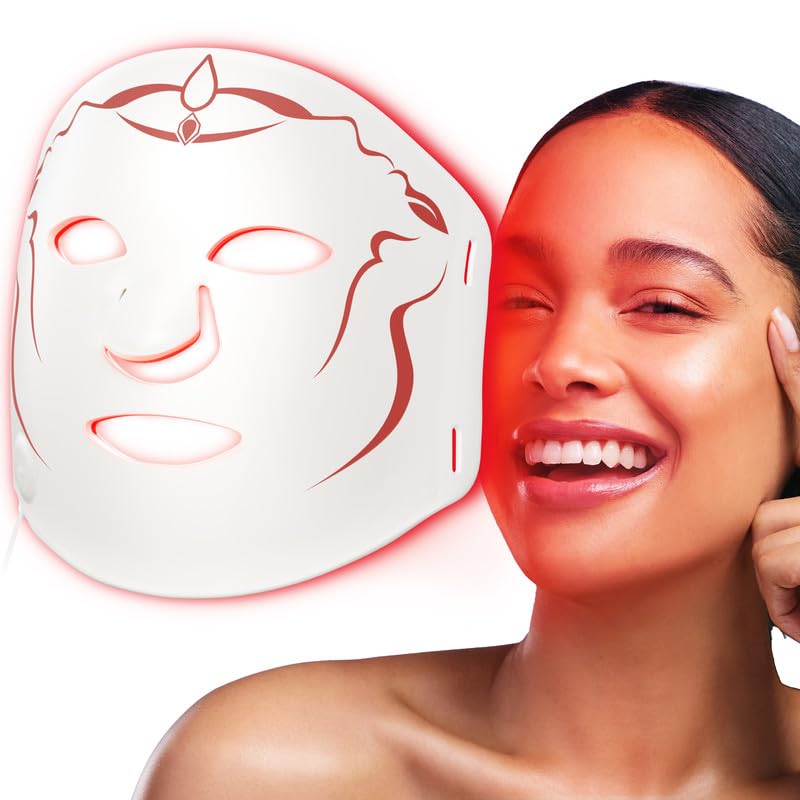
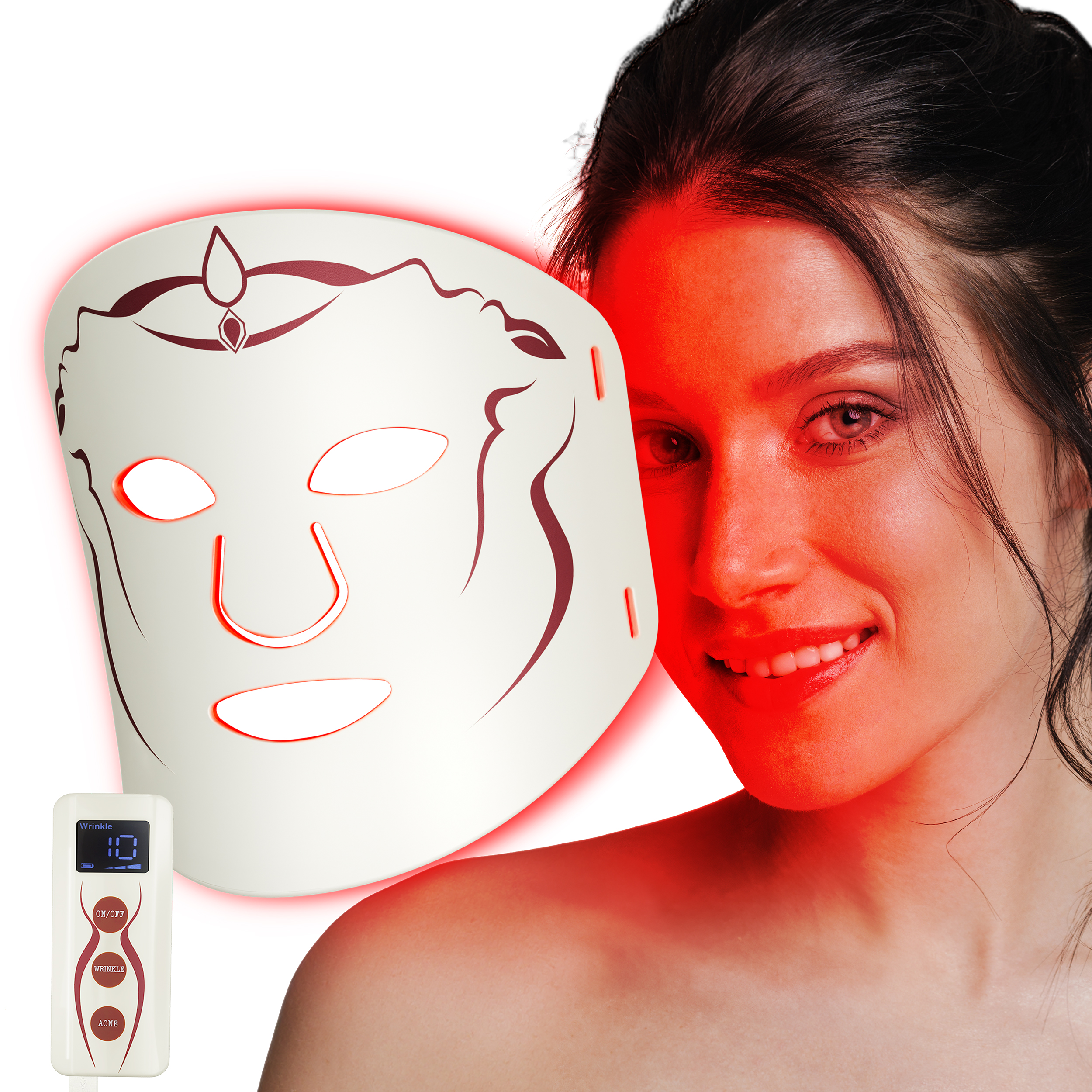
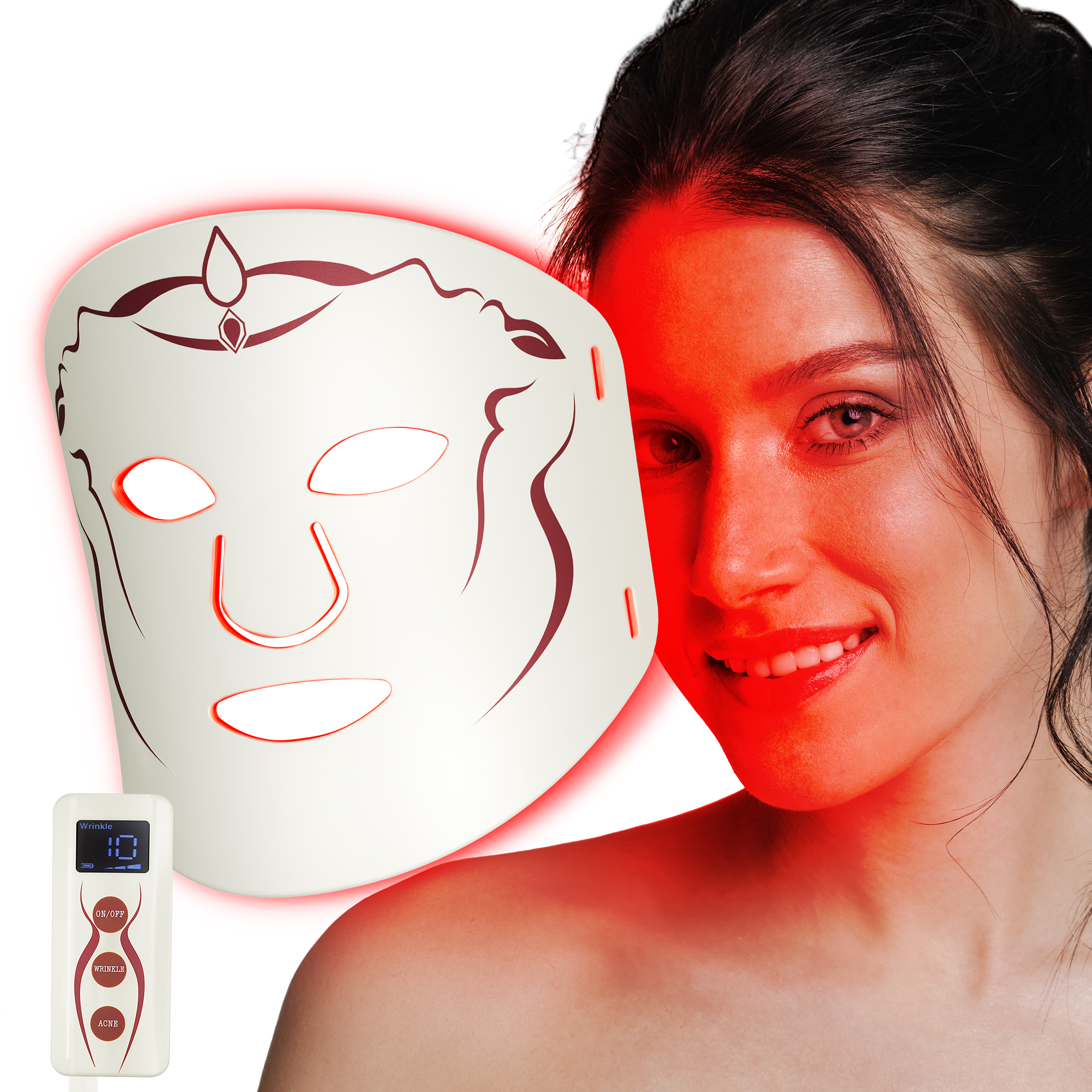
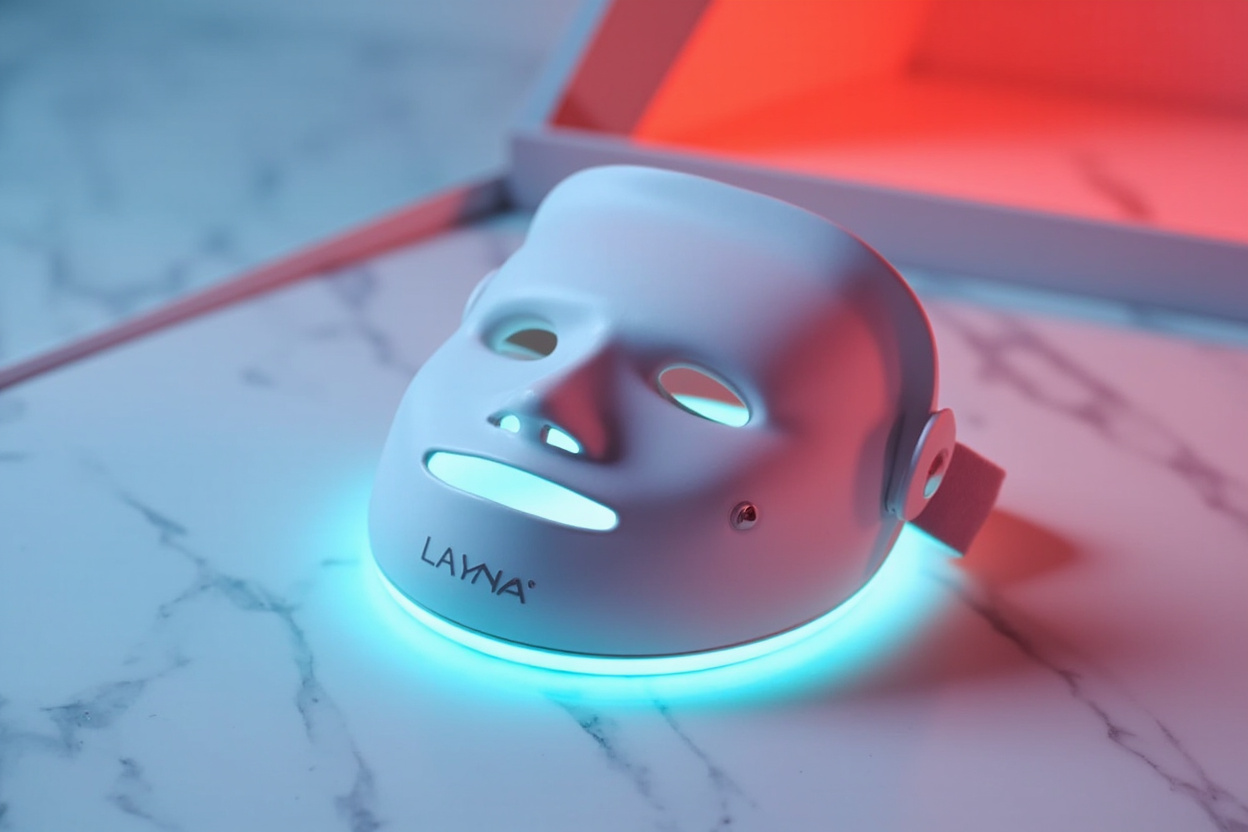
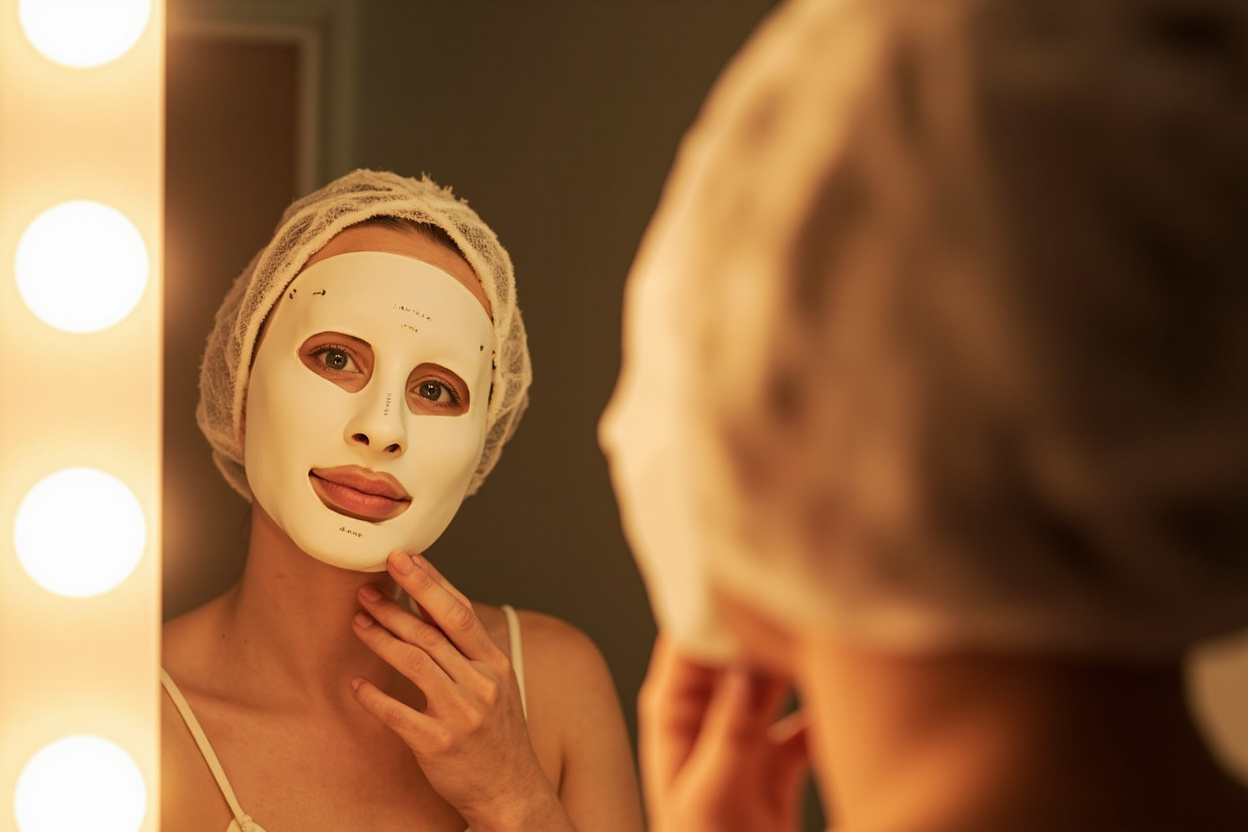
LAYNA's mask is designed to be worn directly against the skin — the LEDs are as close to your skin as possible, maximizing light penetration. If you're holding the mask away from your face or using it through a cloth barrier, you're significantly reducing the light energy reaching your dermis. The silicone design contours to your face for a reason — wear it as intended.
The #4 Mistake: Combining Incompatible Treatments
Some skincare ingredients don't pair well with LED light therapy — not because the light reacts with them, but because they can cause photosensitivity in combination with light exposure. Avoid using retinoids (tretinoin, adapalene), AHAs/BHAs (glycolic, lactic, salicylic acid), or hydroquinone immediately before your LED session if you're concerned about irritation. If you want to use these ingredients, apply them at a different time of day.
That said, most gentle skincare ingredients — hyaluronic acid, niacinamide, ceramides, antioxidants — pair perfectly with LED and can enhance results. Apply them after your session when skin permeability is temporarily elevated.
The #5 Mistake: Unrealistic Expectations
LED light therapy is not a laser. It doesn't produce dramatic before-and-after photos in two weeks. What it does produce is gradual, cumulative improvement in skin quality — smoother texture, reduced redness, softer fine lines, clearer skin. The people who are most satisfied with LED therapy are those who understand the timeline and commit to it. Week 4 brings real results. Week 12 brings significant results. Think in months, not weeks.
Expert Protocol for Maximum Results
Cleanse face thoroughly → Apply only a thin water-based serum if desired (optional) → Wear LAYNA mask for 10 minutes on the appropriate setting → Remove mask → Apply moisturizer and any nighttime skincare while skin is receptive → Wipe mask clean → Repeat tomorrow.
For acne-prone skin, alternate red and blue light sessions. For pure anti-aging, stick primarily with red light, using blue 1-2 times per week for maintenance. Listen to your skin — if redness or irritation occurs, reduce frequency and focus on red light only.
Tags
Share this article