LED Light Therapy Vs Professional Dermatologist Treatments
Professional dermatologist treatments can cost hundreds per session. See how clinical-grade LED light therapy at home compares — and why thousands are choosing LAYNA instead.
When it comes to skin health, professional treatments have long been the gold standard. Chemical peels, laser therapy, and in-office LED sessions promise transformative results — but they come with hefty price tags and appointment waitlists. Enter at-home LED light therapy devices like LAYNA, which deliver the same core wavelengths used in dermatologists' offices for a fraction of the cost.
What Dermatologists Actually Use
Most professional LED treatments in clinical settings use wavelengths between 630-660nm (red light) and 415-470nm (blue light) — exactly what LAYNA uses. The difference isn't the wavelength; it's the power output and treatment area. Clinical devices often operate at higher irradiance, meaning more light energy per square centimeter.
However, clinical studies consistently show that consistent at-home use of quality LED devices produces meaningful improvements in skin texture, collagen density, and acne severity over 8-12 weeks. The key word is consistent — something at-home devices make far more practical.
LAYNA vs. In-Office LED Sessions
A single in-office LED session can cost $150-300, and most protocols recommend 8-12 sessions initially — that's $1,200-3,600 for one round of treatment. LAYNA's LED Face Mask costs less than five professional sessions and lasts for years with proper care.
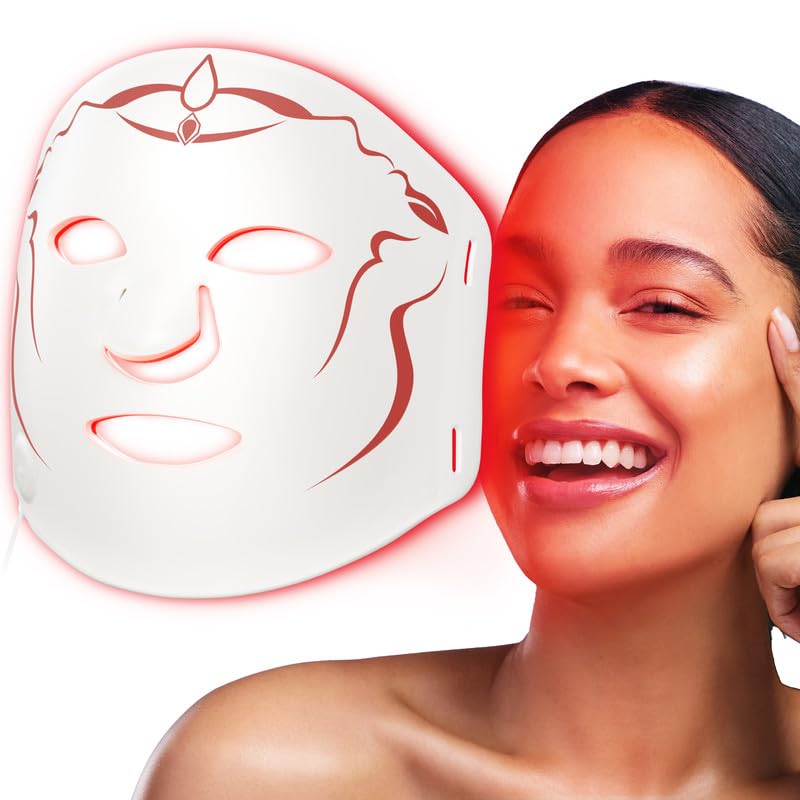
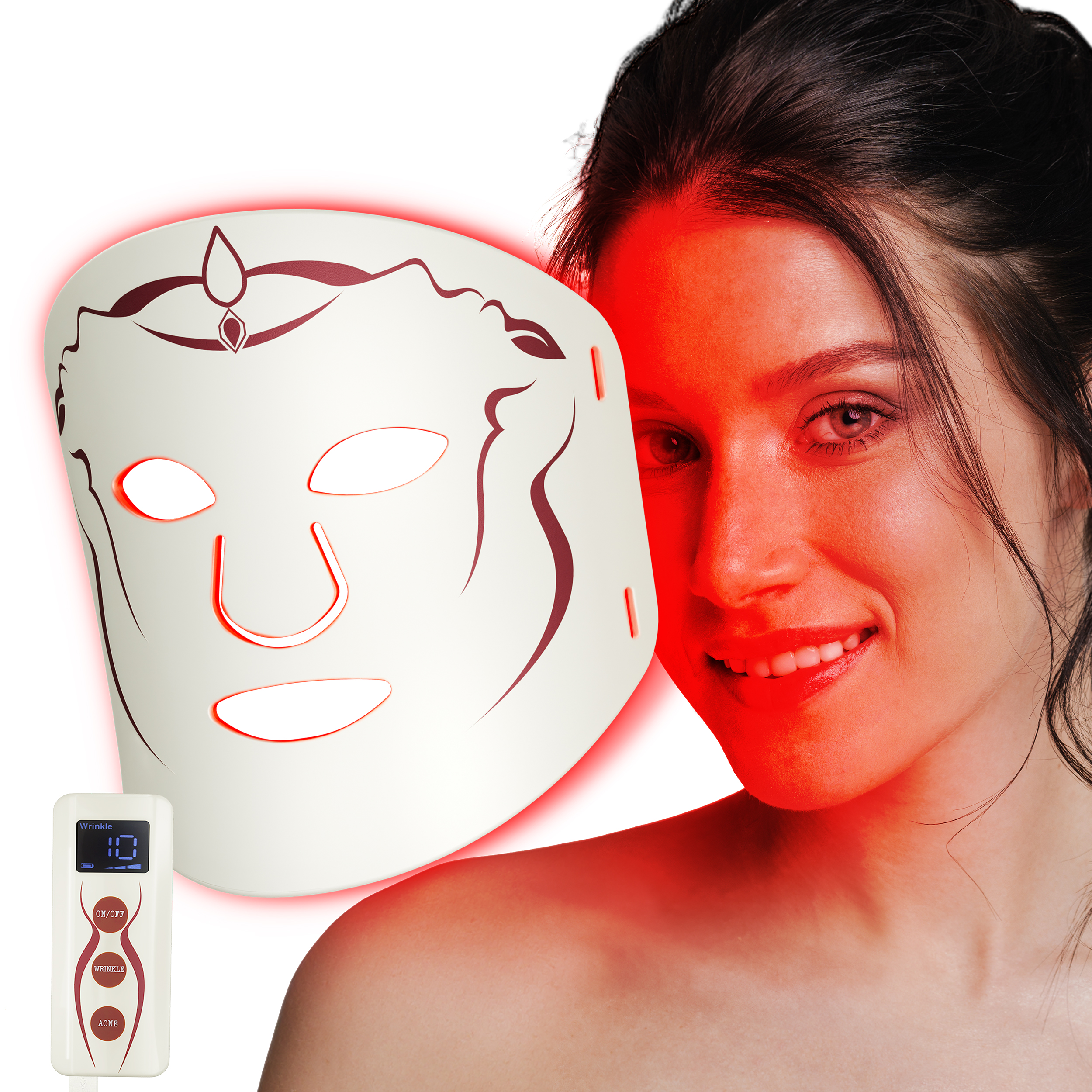
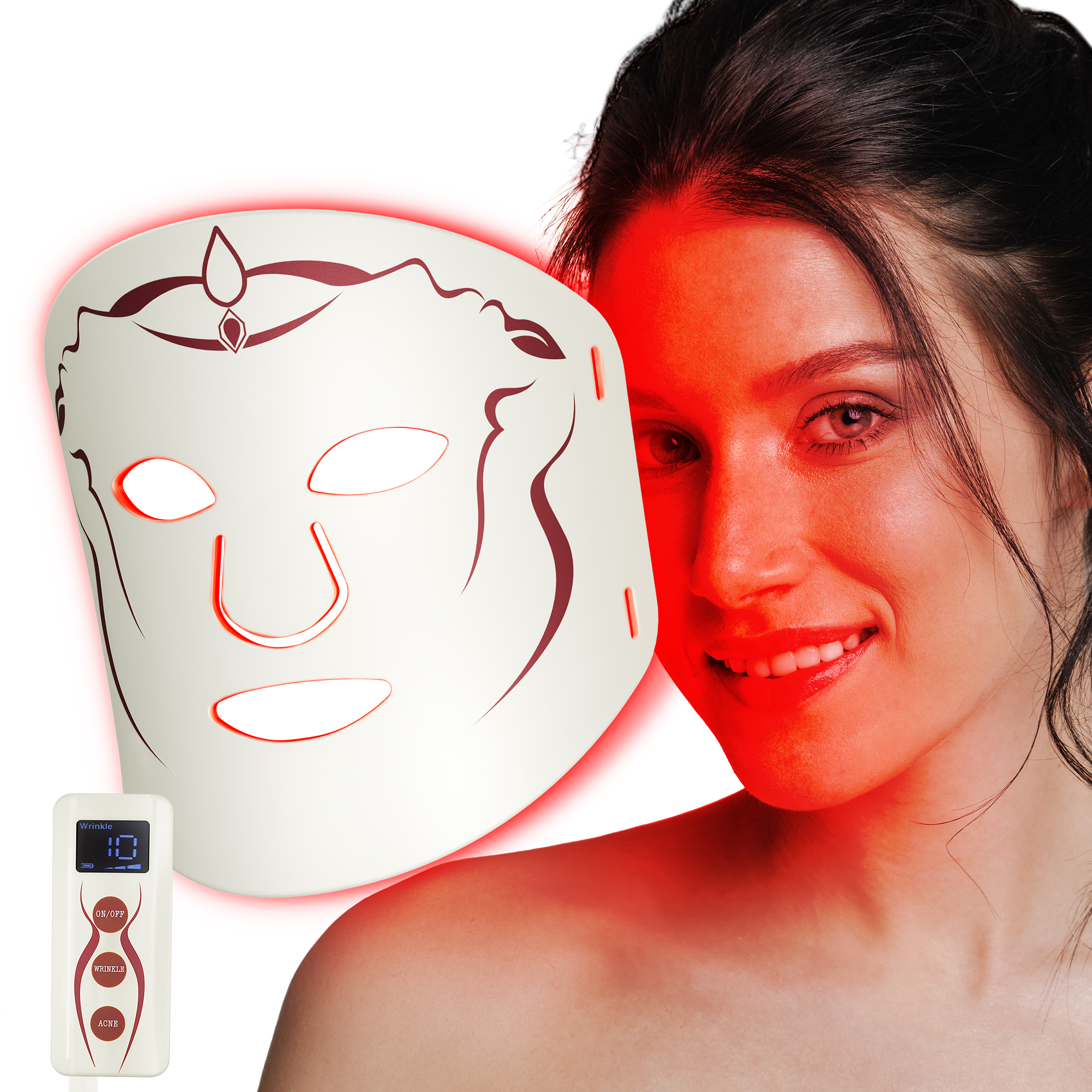
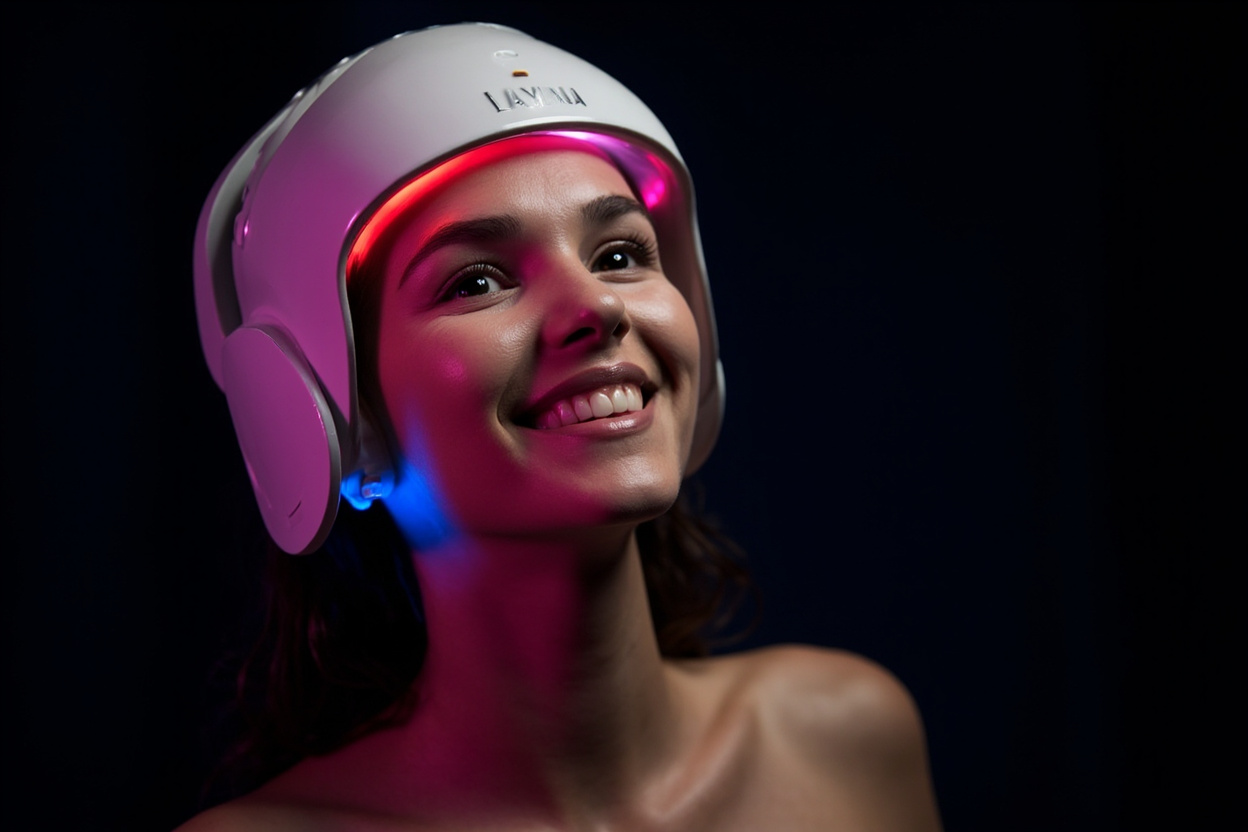
With LAYNA's red light (625±5nm), you get consistent collagen stimulation with every 10-minute session. Blue light (465±5nm) targets acne-causing bacteria with the same wavelength used in dermatologists' offices. The combination approach — alternating red and blue throughout the week — mirrors clinical protocols designed for acne and anti-aging simultaneously.
What LAYNA Can't Replace
To be transparent: certain dermatological treatments like deep chemical peels, ablative laser resurfacing, or prescription oral medications address concerns beyond what light therapy can reach. LED light therapy works on the principle of photobiomodulation — it stimulates cellular energy and reduces inflammation, but it doesn't resurface tissue or address hormonal drivers of acne.
LAYNA is most comparable to professional LED sessions and low-to-medium strength topical treatments. For severe acne, rosacea, or significant photoaging, we always recommend consulting a dermatologist first and using LAYNA as a complement to professional care.
The Verdict
For maintenance, early intervention, and everyday skin health, LAYNA delivers professional-grade wavelengths at a fraction of the cost and with far greater convenience. Think of it not as a replacement for all dermatological care, but as the most consistent, sustainable way to maintain the results you'd get from professional LED sessions — in your own bathroom, for years to come.
Tags
Share this article