Red Light vs Blue Light: Which Wavelength Is Right for You?
Not all light is created equal. We break down the differences between red and blue light therapy, what each wavelength targets, and why combining both may be your skin's ideal routine.
If you've been researching LED light therapy, you've probably encountered the red vs. blue light debate. The truth is, both wavelengths are incredibly effective — they just target different concerns. Understanding the difference is the first step to building your ideal skincare routine.
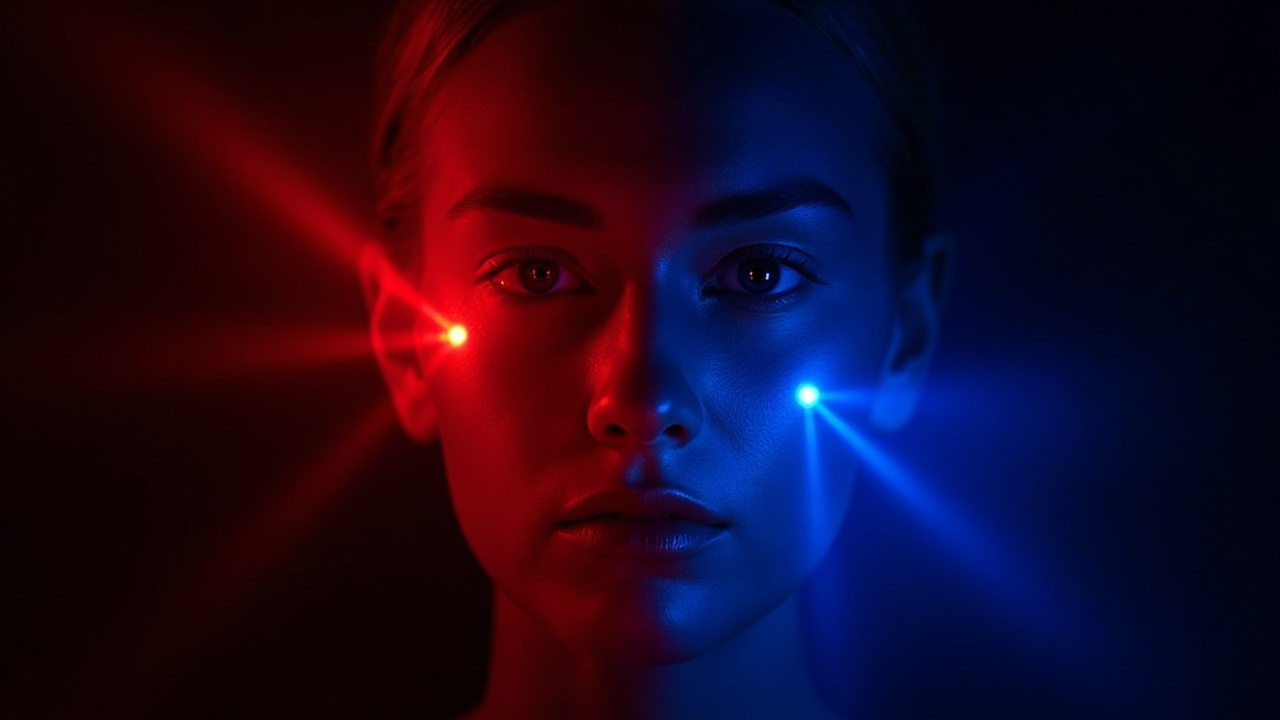
Blue light (415-470nm) works primarily on the skin's surface. Its antibacterial properties make it exceptionally effective for active acne, congested pores, and oily skin types. Studies show that regular blue light exposure can reduce acne severity by 60-70% over an 8-12 week period. It's also beneficial for calming the skin after breakouts and preventing new ones from forming.
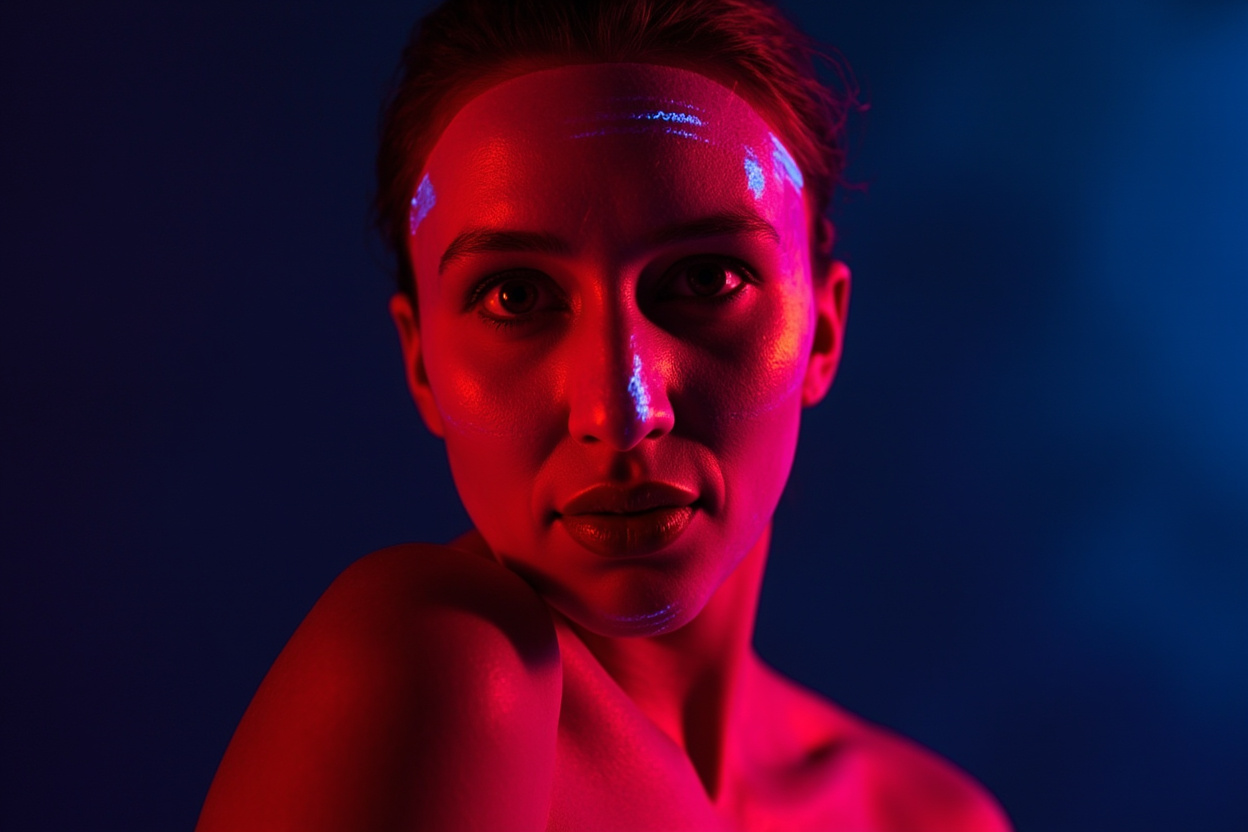
Red light (630-660nm) penetrates deeper into the dermis where it stimulates mitochondrial activity in fibroblasts — the cells responsible for producing collagen and elastin. This makes it ideal for anti-aging concerns: fine lines, wrinkles, loss of firmness, and uneven skin texture. Red light also has potent anti-inflammatory properties, making it suitable for sensitive and rosacea-prone skin.
For even better results, many users alternate between red and blue light treatments depending on their skin goals on any given day. Red light in the morning helps wake up skin and stimulate collagen; blue light in the evening targets bacteria and reduces inflammation overnight.
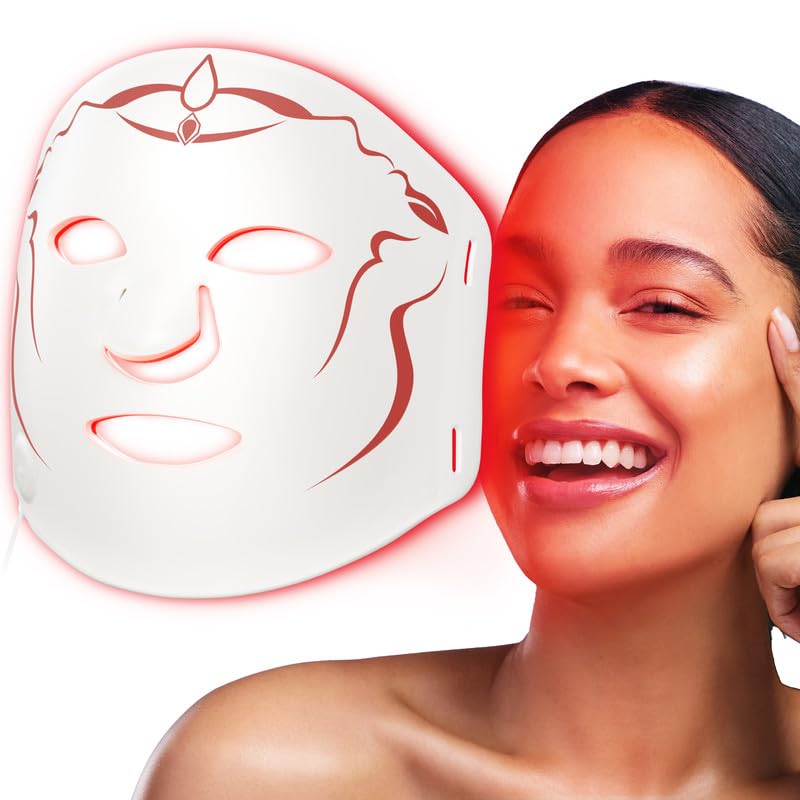
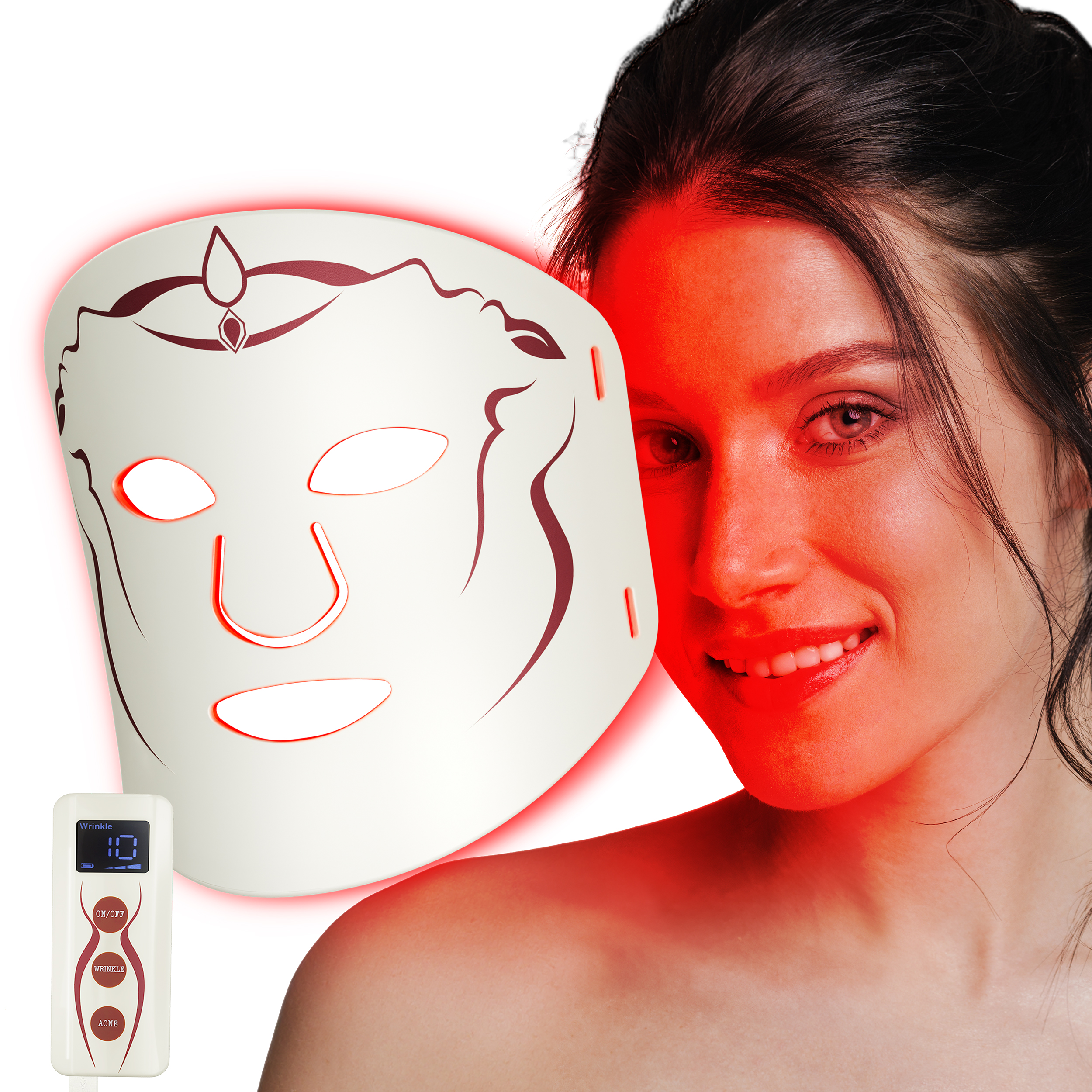
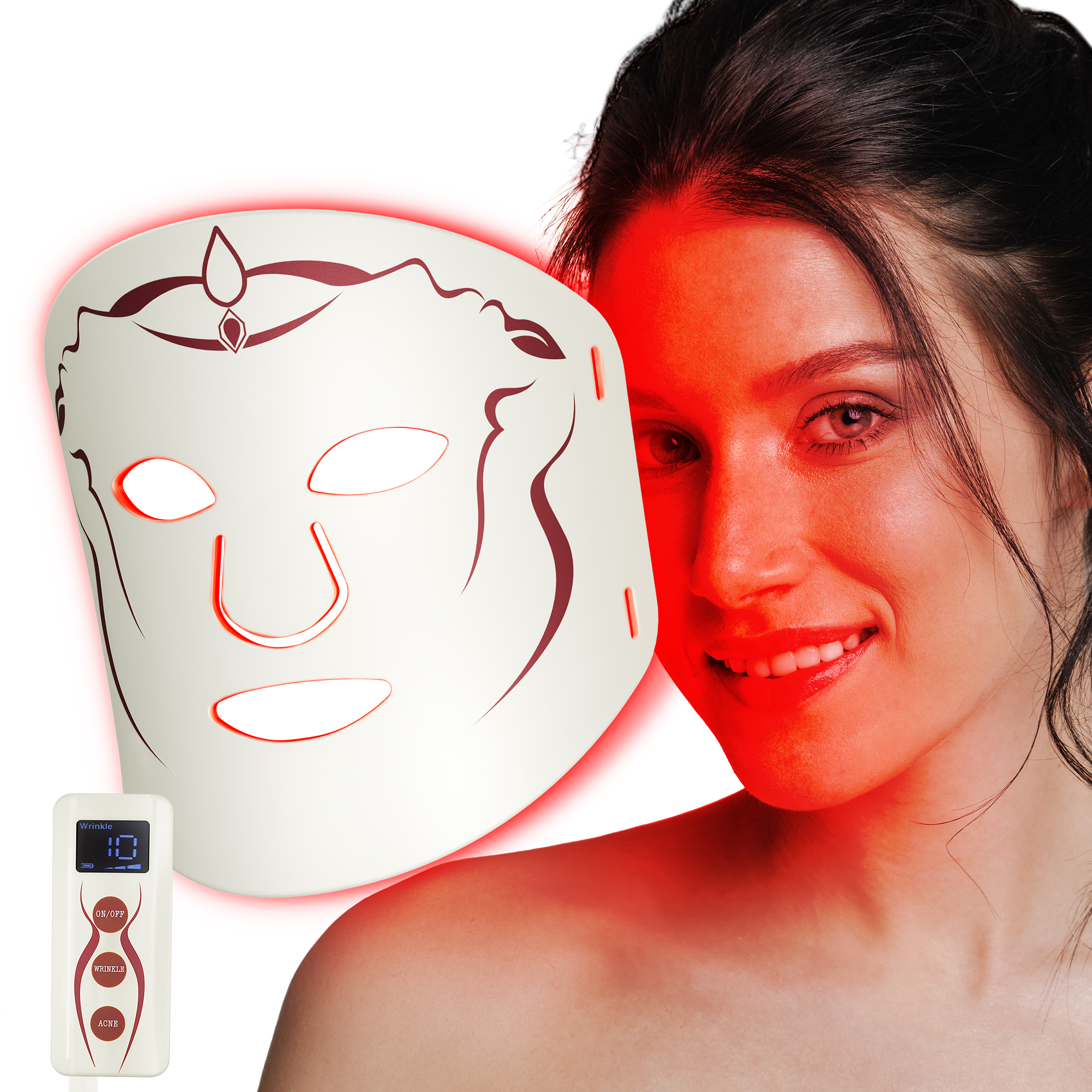
The best approach? Alternating between red and blue light treatments, or using a device that combines both. LAYNA's masks feature both red (625nm) and blue (465nm) wavelengths in a single device, allowing you to customize your sessions based on your skin's needs on any given day.
Tags
Share this article